



Health & Education
We all want the best care possible for our horses. The Heath & Education section covers both Learning Institutions, Organizations as well as many sources for equine assistance including Veterinarians and Farriers.
For those who want a to formally study horses, the Education section includes College Riding, Equine Studies, and Veterinary Schools. Learn about the wide variety of horses in the Horse Breeds section. Supplements and Treatments Therapy are also included in the section.
Everyone can learn from Fine Art and there are some specialty Museums that might surprise you.
Horses as a therapy partner enrich the lives of the disabled. These facilities are listed in our Therapeutic Riding section. To help children and young adults build confidence and grow emotionally, please see the resources available on the Youth Outreach page.
Looking for a place to keep your horse? You can find it in the Horse Boarding section. Traveling? Find a Shipping company or Horse Sitting service if your horse is staying home!
Want to stay up to date with the latest training clinics or professional conferences? Take a look at our Calendar of Events for Health & Education for the dates and locations of upcoming events.
Do we need to add more? Please use the useful feedback link and let us know!
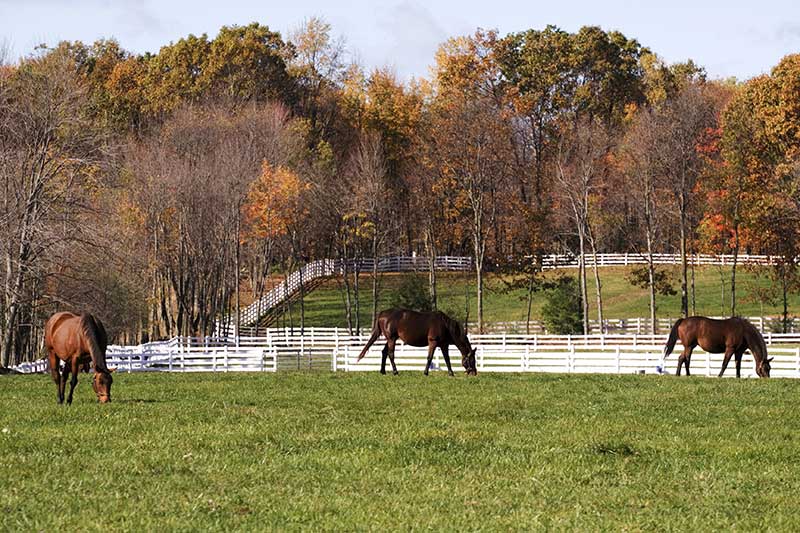
Administer booster vaccinations and target deworming treatments to help protect your horse’s health.
With fall here, it is important that you help protect your horse from emerging risks, such as equine influenza virus, equine herpesvirus (EHV) and parasites.
“If you have a horse that travels for fun or competition, it’s recommended that he be vaccinated twice a year against equine influenza and equine herpesvirus to help boost his immunity,” said Kevin Hankins, DVM, senior veterinarian, Equine Technical Services for Zoetis. “For horses at increased risk, I always suggest they booster Fluvac Innovator in the fall.”
While annual spring vaccinations help offer disease protection and can activate an immune response, the American Association of Equine Practitioners (AAEP) vaccination guidelines recommend at-risk horses be vaccinated for equine influenza and equine herpesvirus, also called rhinopneumonitis, every six months.1
How do you know whether your horse is considered at risk? Key disease risk factors include:
- Younger than 6 years old
- Older than 15 years old
- Stabled in boarding barns
- Traveling off-property or housed with horses that do
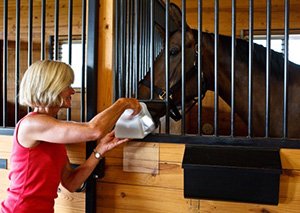
The best place to start supporting your Insulin Resistance (IR) horse is a low sugar and starch diet with a balanced intake of key minerals. Minerals have direct and indirect involvement in virtually every action in the body, and have important effects on IR and its consequences. IR is different in the horse than in the human, but the same basic principles apply, which is evidence of activated antioxidant defenses in the tissues of IR horses.
Building the horse’s own antioxidant basic defenses is most effective. This includes the SOD, catalase and glutathione peroxidase enzyme systems, as well as the antioxidants glutathione, CoQ10, carotenoids and vitamin A, flavanoids, and vitamins E and C. Glutathione is particularly widely distributed.
SOD absolutely requires copper and zinc. Catalase requires iron, which is not an issue as the typical equine diet supplies plenty of iron.
Glutathione activity depends on Selenium, a very common deficiency. Selenium is also essential for the generation of the active form of thyroid hormone, T3, from T4.
Zinc is a commonly deficient mineral. Low serum Zinc is associated with IR and type 2 diabetes in humans and rats. Supplementation of Zinc supports defenses against type 2 diabetes in rat models. Exactly why has not been determined. It is known that Zinc is important on several levels, involved in insulin release and sensitivity as well as being an antioxidant in SOD.
Read more: The Effect of Minerals on the Insulin Resistance (IR) Horse
- Hurricane Harvey and Irma Horse Rescues
- Texas’ Horseback Emergency Response Team: Helping Hands and Horse, in the (Literal) Trenches
- What You Need to Know: Equine Leg Bandaging
- Quick Tips: Q&A: Controlling Parasites in Horses
- EIE Exclusive Interview with Heather Kitching of Angrove Stud, UK, Home of the Tobiano Racehorse
- In Hot Pursuit of Thoroughbred and Quarter Horse High Colors
- Spring Grass Safety - A Review
- Must-Haves for Your Equine First-Aid Kit
- Tracking Down the Tobiano Legend
- Orphan Foals: Success is Possible
- Health, Horses, Healing and Hippocrates
- Broodmare Nutrition During Late Gestation
- ‘Anonymous Horses’: Kill Pen Rescues Come With Serious Health Risks
- Introducing the Rare, Colorful and Beautiful Knabstrupper Breed
- Horse Speak: The Equine-Human Translation Guide
- A Breed from the Appalachian Mountains, Introducing the Mountain Pleasure Horse!
- UHC Gelding Clinics 2017
- Walkaloosa Horses and Their Colorful Coats
- The Morgan Horse: America's First Breed
- Big, Black and Beautiful! The History of the Majestic Friesian Horse