





Barns & Stalls
Choosing the correct barn or stall for your horse is an important decision. By taking the time to consider your horse's individual needs and to choose a barn that meets those needs, you can help to ensure that your horse has a happy and healthy home.
To choose the correct barn or stall for your horse, you need to consider a number of factors.
- Size: The barn or stall should be large enough for your horse to move around comfortably.
- Ventilation: The barn or stall should be well-ventilated to prevent the buildup of ammonia and other harmful gases.
- Lighting: The barn or stall should have adequate lighting, both natural and artificial.
- Flooring: The flooring in the barn or stall should be non-slip and easy to clean.
- Drainage: The barn or stall should have good drainage to prevent the accumulation of water.
- Amenities: Some barns offer amenities such as indoor and outdoor arenas, wash stalls, and tack rooms. Consider which amenities are important to you and your horse.
- Location: The barn should be conveniently located for you and your horse.
Bedding & Feed
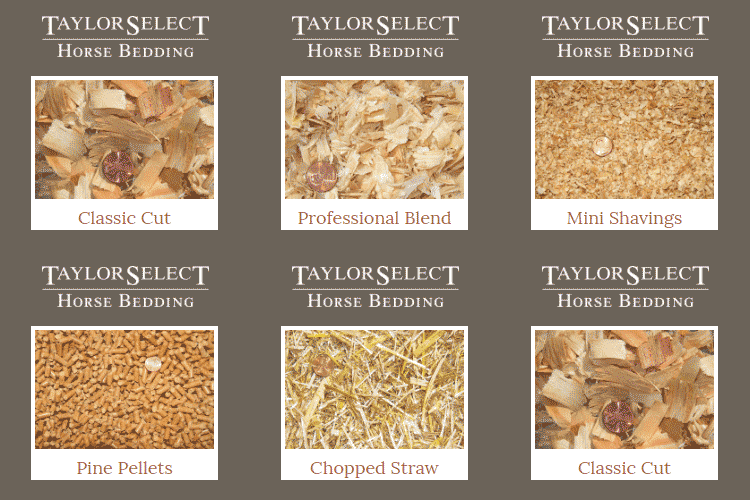
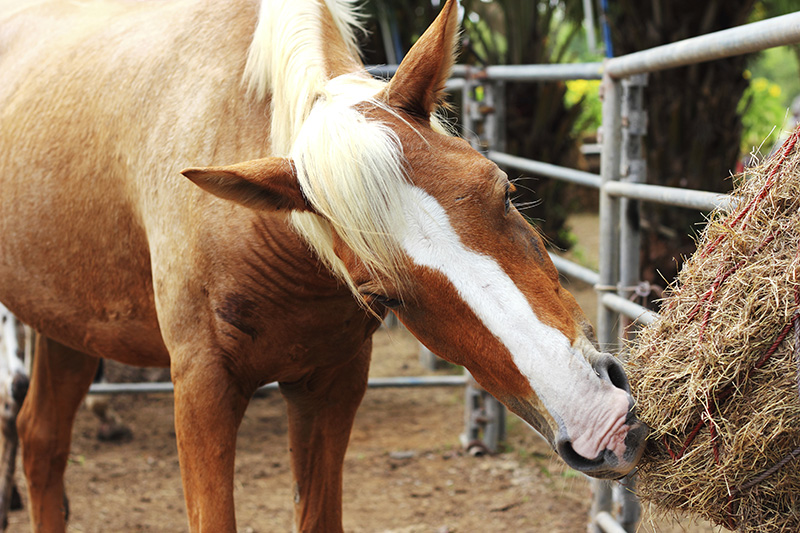
To choose the correct bedding and feed for your horse, you need to consider a number of factors, including:
- Age: Younger horses and older horses may have different bedding and feeding needs. For example, younger horses may need more bedding to cushion their joints, and older horses may need a more digestible feed.
- Activity level: Horses that are more active, such as performance horses, may need a different diet than horses that are less active, such as pleasure horses.
- Health: Horses with certain health conditions, such as allergies or digestive problems, may need a specialized bedding or feed.
- Climate: Horses that live in extreme climates may need a different bedding or feed than horses that live in more moderate climates.
Once you have considered these factors, you can start to narrow down your choices. Here are some tips for choosing the correct bedding and feed for your horse:
Horse Boarding & Overnights
There are many factors to consider when choosing a horse boarding stable, but some of the most important include:
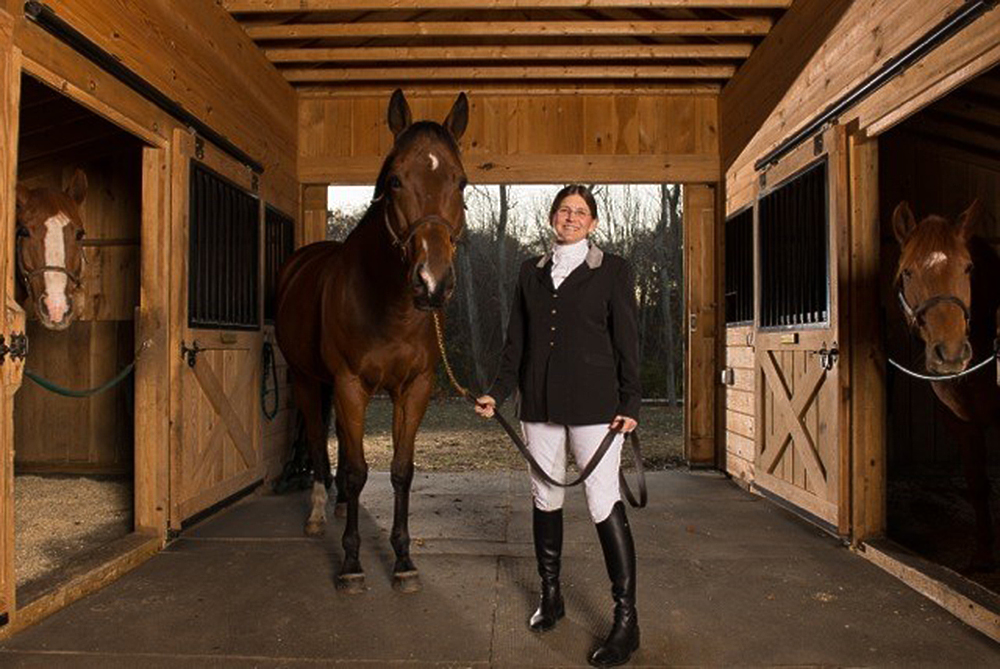
- The quality of the facilities: The stable should have clean, well-maintained stalls and turnout areas. The stalls should be the appropriate size for your horse's breed and age, and they should be equipped with comfortable bedding. The turnout areas should be safe and secure, and they should provide your horse with plenty of space to exercise and socialize.
- The quality of the care: The staff at the stable should be experienced and knowledgeable in horse care. They should be able to provide your horse with the proper diet, exercise, and grooming. They should also be able to identify and treat any health problems that your horse may develop.
- The safety of the environment: The stable should be located in a safe area, and it should be free from hazards such as traffic, poisonous plants, and barbed wire. The stable should also have a fire alarm system and a fire extinguisher.
- The cost: The cost of boarding your horse will vary depending on the facilities offered, the level of care provided, and the location of the stable. Be sure to compare prices from different stables before making a decision.
In addition to these factors, you may also want to consider the following when choosing a horse boarding stable:
- The stable's location: If you plan to ride your horse regularly, you'll want to choose a stable that's located near trails or other riding areas.
- The stable's policies: Be sure to ask about the stable's policies regarding things like feeding, turnout, and veterinary care.
- The stable's atmosphere: You'll want to choose a stable that you feel comfortable leaving your horse at. Visit the stable several times before you make a decision, and get to know the staff and other boarders.
Choosing a horse boarding stable is an important decision. By considering the factors listed above, you can be sure to find a stable that will provide your horse with the best possible care.
Horse Farm Equipment
Horse farm equipment is essential for the proper care and management of horses. It allows horse owners and handlers to provide their horses with a safe, comfortable, and healthy environment. The specific types of equipment needed will vary depending on the size and type of horse operation, but some common examples include:
- Housing: Stables, stalls, paddocks, and pastures are all essential for housing horses. Stables provide horses with shelter from the elements, while stalls allow them to rest and sleep. Paddocks and pastures provide horses with space to exercise and graze.
- Feeding and watering: Hay feeders, water buckets, and automatic feeders are all essential for feeding horses.
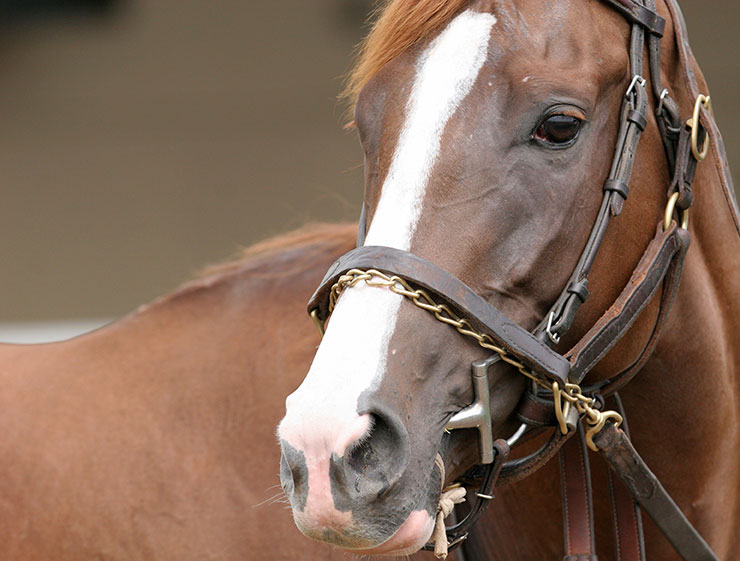
- Saddling and bridling: Saddles, bridles, and reins are all essential for safely riding horses.
- Hoof care: Hoof picks, rasps, and trimming tools are essential for maintaining the health of horse hooves. Hoof picks remove dirt and debris, rasps smooth out rough edges, and trimming tools help to maintain the proper shape of the hoof.
- Grooming: Brushes, combs, and hoof polishes are essential for grooming horses. Brushes and combs remove dirt, dust, and loose hair, while hoof polishes protect the hooves from moisture and damage.
- Exercise: Riding saddles, jumping saddles, and longeing whips are all essential for exercising horses.
- Medical care: Thermometers, syringes, bandages, and first aid kits are essential for providing medical care to horses.
- Proper horse farm equipment allows for safe and efficient horse care, which ultimately promotes the health, well-being, and longevity of these magnificent animals.
Horse Fencing
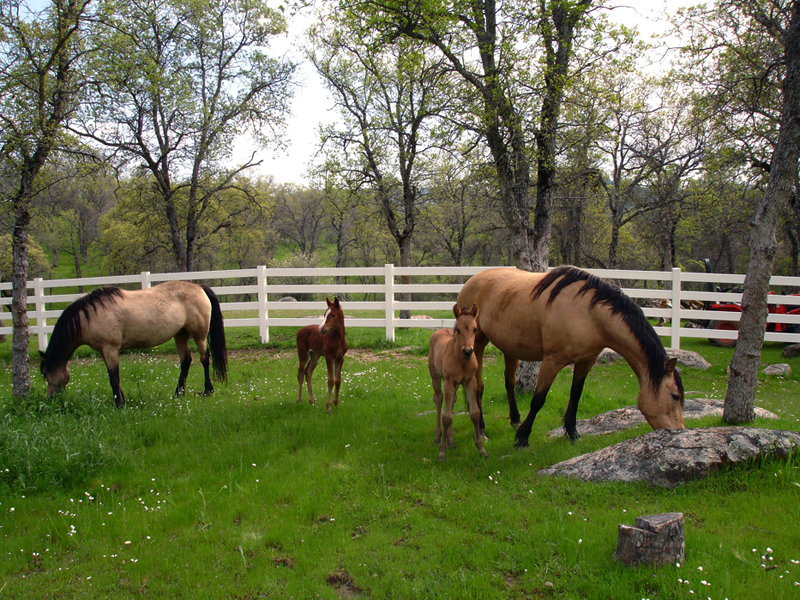
It is important to use the proper fencing to keep your horses safe.
Good fencing for horses must be:
- Strong and durable: Horses are powerful animals, so their fencing needs to be strong enough to withstand being kicked, rubbed against, and jumped over.
- Safe: Fencing should not have any sharp edges or protruding objects that could injure a horse. Should this occur, fence replacement is a priority!
- Visible: Horses have poor eyesight, so their fencing should be easy for them to see. This is especially important for white horses, which can have difficulty seeing white fences.
- Secure: Fencing should be secure enough to keep horses in and predators out.
Grooming
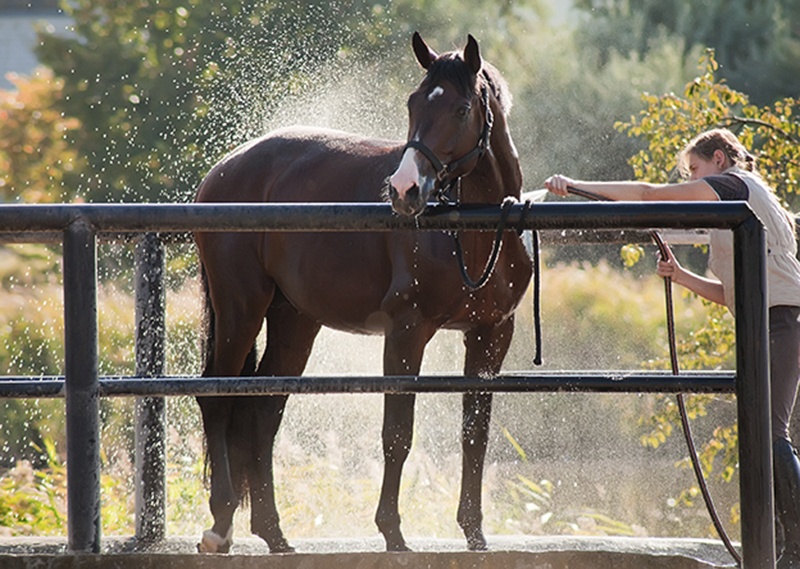
Grooming helps to keep the horse's skin and coat healthy. It removes dirt, dust, and parasites, which can help to prevent skin problems and infections. Grooming also helps to stimulate blood circulation and promote muscle relaxation.
- Performance: A well-groomed horse is more likely to perform well. Grooming helps to remove any discomfort or distractions from the horse, so that it can focus on its work. Grooming also helps to keep the horse's muscles and joints flexible, which can improve its performance.
- Safety: Grooming is a good opportunity to inspect the horse for any injuries or signs of illness. This can help to identify problems early on, when they are most treatable. Grooming also helps to prevent tack from rubbing on the horse, which can cause discomfort and sores.
- Bonding: Grooming is a great way to bond with your horse. It is a quiet time when you can simply interact with your horse and enjoy its company. Grooming can also help to build trust and respect between you and your horse.
Horse Sitting
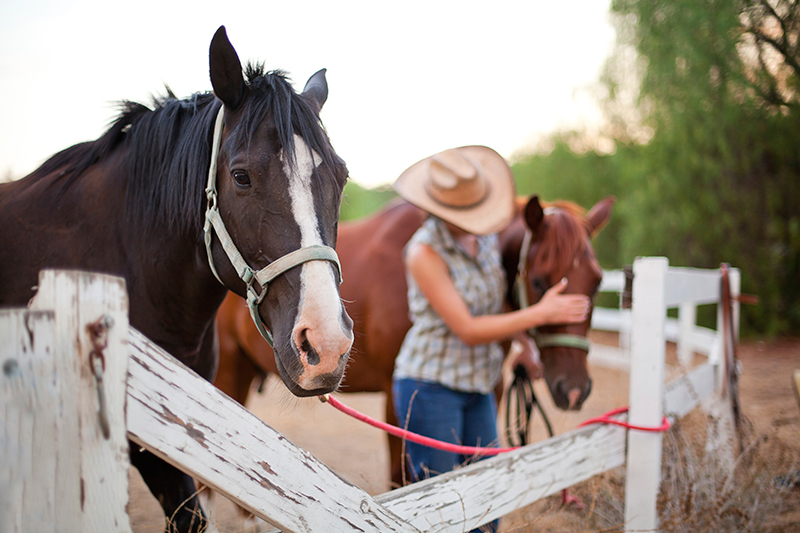
When choosing a horse sitter, it is important to look for someone who has the following qualities:
- Experience: The horse sitter should have experience caring for horses. This includes knowing how to feed, water, groom, and exercise horses. The horse sitter should also be able to recognize and handle common health problems.
- Knowledge: The horse sitter should have a good understanding of horse behavior and training. The horse sitter should also be familiar with your horse's individual needs and routines.
- Responsibility: The horse sitter should be reliable and trustworthy. The horse sitter should also be able to follow your instructions carefully.
- Flexibility: The horse sitter should be able to adjust their schedule to accommodate your needs. The horse sitter should also be able to handle unexpected situations.
- Good communication skills: The horse sitter should be able to communicate effectively with you. The horse sitter should keep you updated on your horse's condition and any concerns that they may have.

Mobile Apps
horse-related mobile apps have become an indispensable tool for horse owners, trainers, and enthusiasts, offering a convenient, informative, and engaging way to manage horse care, enhance horse training, and connect with the equestrian community.