



Recreation & Lifestyle
Welcome to Recreation & Lifestyle, which includes leisure riding and other aspects of the equestrian lifestyle for you and your horse loving friends and family.
Looking for the perfect present? See the Gifts & Jewelry section. Redecorating? Find a Painting, Photograph or Sculpture in the Artwork section. Need to check out a movie or crawl up with a good book or magazine? See our Entertainment section where you will find and Books, Movies, Games, and Magazines. And don't forget about Fine Art in some specialty Museums that might surprise you.
Looking for love or a trail buddy? Riding Partners is the spot to seek other riders who share your passion. Find a place to ride with that special person in our Trail Riding section and if you need more time away, take a look at Vacations. Want to know about the next horse show or special event? Don’t miss it! Dates and locations are included in the Calendar of Events for Recreation & Lifestyle.
Do we need to add more? Please use the useful feedback link and let us know!
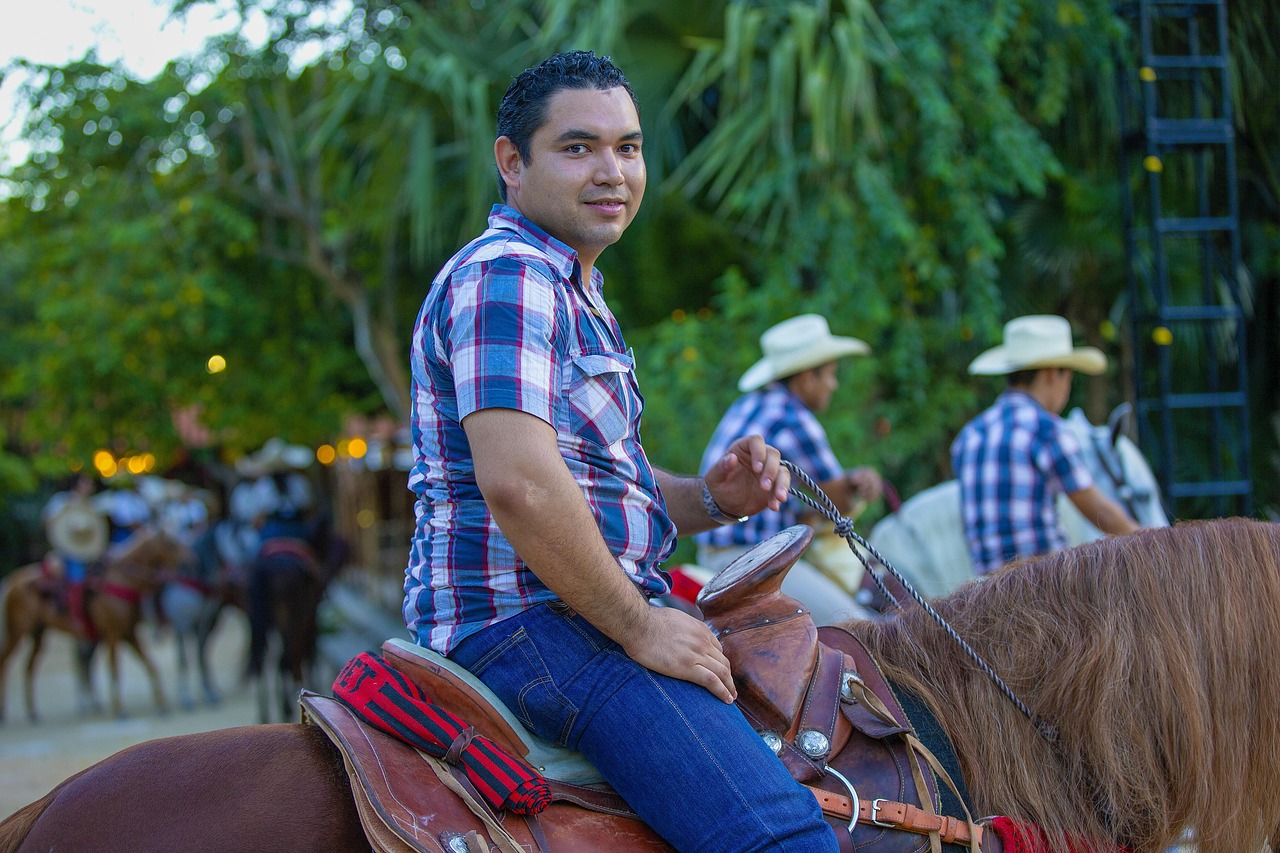
Essential Spanish words for a horse barn include terms for the horse itself, common care tasks, tack and equipment, and basic commands. Learning these can help with communication and ensure safety for both you and the horses.
The horses
- Caballo: Horse
- Yegua: Mare
- Semental: Stallion
- Potro/Potrillo: Colt or young male horse
- Potra/Potrilla: Filly or young female horse
- Burro: Donkey
In the barn (la cuadra)
- Establo/Cuadra: Barn/Stable
- Pasillo: Aisle
- Paja: Straw
- Heno: Hay
- Comida: Feed/Food
- Limpiar: To clean
- Cepillar: To brush or groom
- Limpiar la cuadra: To clean the stall
Horse care (Cuidado de caballos)
- Agua: Water
- Dar de comer: To feed
- Dar de beber: To give water
- Herradura: Horseshoe
- Herrador: Farrier
- Veterinario: Veterinarian
- Sano/Saludable: Sound/Healthy
- Lastimado: Injured
- Cuidado: Careful
- Jinete: Jockey
- Hipódromo: Racetrack
Tack (Equipo)
- Silla de montar: Saddle
- Bridón/Brida: Bridle
- Riendas: Reins
- Cincha: Cinch
- Cabezada: Halter/Head collar
- Estribo: Stirrup
- Látigo: Whip
Riding commands (Órdenes de monta)
- Montar a caballo: To ride a horse
- Paso: Walk
- Trote::Trot
- Galope: Gallop
- Concurso de saltos: Show jumping
- Arre: Go (Mexican Spanish)
- ¡Quieto!: Whoa!/Stop! (Can also be said as "Oooohhh")
Other useful phrases
- ¿Dónde está...?: Where is...?
- ¿Puede usted ayudarme, por favor?: Can you help me, please?
- Tengo un problema.: I have a problem.
- Estoy buscando: I’m looking for
- El caballo tiene hambre: The horse is hungry
- El caballo tiene sed: The hose is thirsty
- Por favor: Please
- Gracias: Thank you
What else should we include in this list? Let us know at info@equineinfoexchage.com.
You can find more informative articles in our section on Recreation & Lifestyle. Take a look at our Curated Amazon Store for our selections in a wide variety of categories!
Are you interested in promoting your business or sharing content on EIE? Contact us at info@equineinfoexchange.com
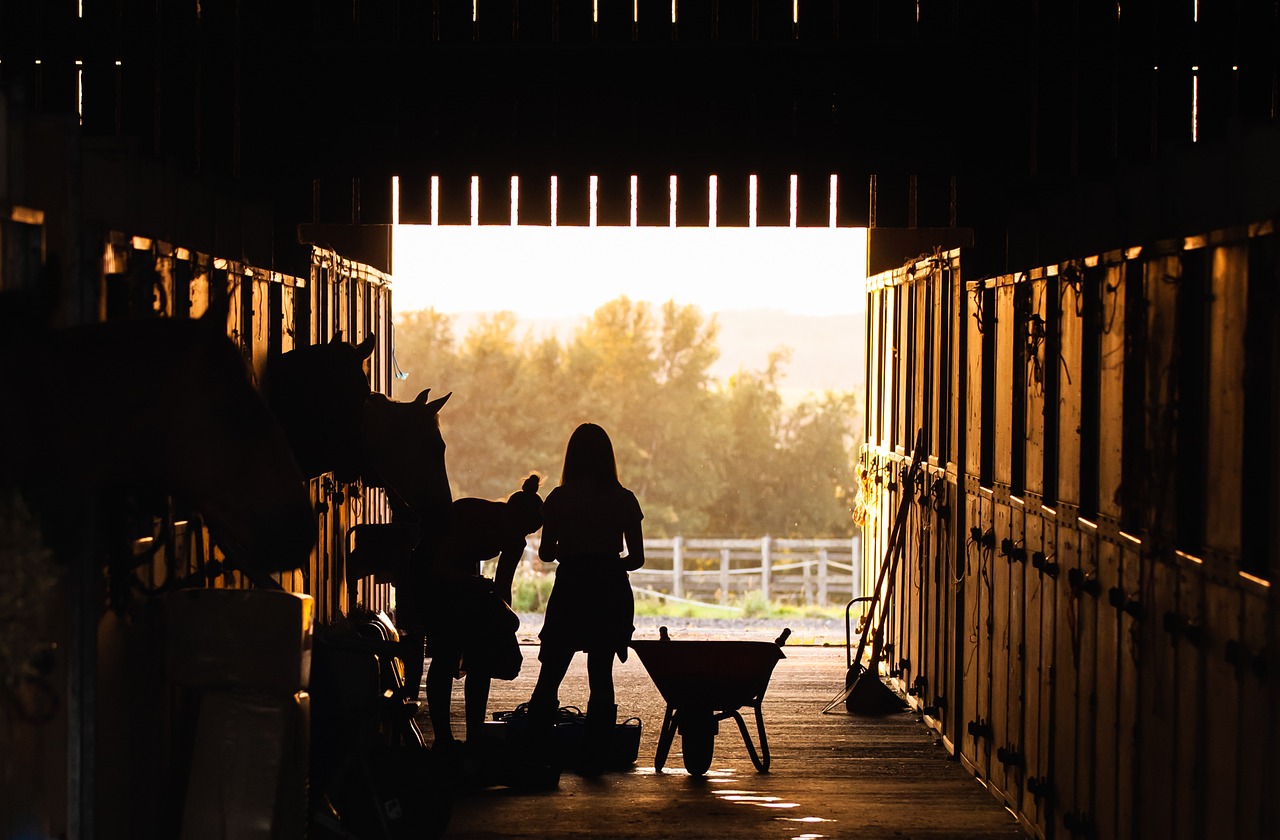
A horse barn is a great escape for many reasons, primarily because it offers a break from the complexities of modern life by engaging all the senses in a natural, mindful, and physically active way. The escape is both a retreat for the mind and a return to simpler, instinct-driven interactions.
The calming sensory experience
- Unique aromatherapy: The distinct smell of a horse barn—a mix of hay, wood shavings, horse feed, and manure—is a familiar and comforting scent for horse enthusiasts that can bring a feeling of peace and nostalgia.
- Soothing sounds: The simple, repetitive sounds of a barn, such as the soft munching of hay, the rhythmic swish of a tail, and gentle nickers, create a natural ambient noise that can reduce stress and encourage relaxation.
- Visual escape: The visual environment of a horse barn is a world apart from an office or city street. Seeing the quiet, steady presence of large animals, often set against a backdrop of open fields and nature, can be a restorative and grounding visual experience.
Mindfulness and focus
- Demands attention: Caring for and riding horses requires complete attention and focus. This forces you to be present in the moment and temporarily forget about the anxieties and distractions of daily life.
- Emotional regulation: Horses are highly attuned to human emotions. If a person is anxious or tense, the horse will often mirror that feeling. This feedback loop provides an opportunity to practice emotional regulation and see how one's state of mind affects another being.
- Sense of purpose: The responsibility of caring for a horse, including grooming, feeding, and mucking out stalls, provides a clear purpose and routine. This can be a very grounding and satisfying experience that counters the feeling of being overwhelmed.
Physical activity and endorphins
- Natural mood booster: The physical exercise involved in riding and barn chores stimulates the release of endorphins, which are the body's natural mood-lifters. This promotes a sense of euphoria and well-being.
- Stress reduction: Being active in a natural setting helps to lower the stress hormone, cortisol. The combination of fresh air, sunlight, and physical movement is a powerful antidote to daily pressures. Community and connection
- Shared interest: The equestrian community offers a social escape built around a shared love of horses. This fosters strong friendships and a sense of belonging among like-minded people.
- Unconditional acceptance: The relationship with a horse provides a unique form of unconditional acceptance. Horses don't judge or criticize, creating a safe space to be vulnerable and build trust, which can transfer to other relationships.
If possible, spend more time at the barn. Enjoy!
You can find more informative articles in our section on Recreation & Lifestyle. Take a look at our Curated Amazon Store for our selections in a wide variety of categories!
Are you interested in promoting your business or sharing content on EIE? Contact us at info@equineinfoexchange.com
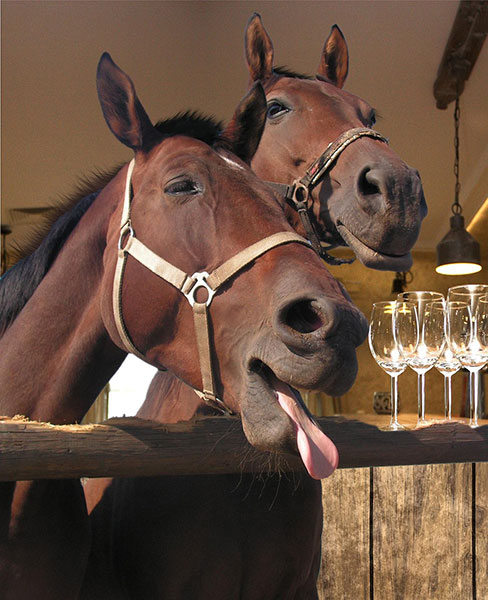
Most of us have been in situations in life, including the barn, where conflict is involved. It is unwelcome and uncomfortable. Minimizing drama at the barn requires setting clear personal boundaries, maintaining good barn etiquette, and communicating directly and calmly when issues arise. Staying focused on your own horse and your reasons for being at the barn helps you avoid getting drawn into conflicts. Here are some thoughts:
Focus on yourself and your horse
- Remember your "why." You are at the barn to ride, train, and bond with your horse. By focusing on your own equestrian journey, you will find less time and energy to engage in other people's conflicts.
- Avoid gossip. Resist the temptation to engage in rumors or gossip, which are the main fuel for barn drama. If someone tries to pull you into a discussion about another boarder, simply excuse yourself.
- Stay out of other people's business. If a conflict or situation doesn't involve you directly, do not seek it out or insert yourself into it. Let others work out their own issues.
- Focus on the bigger picture. In the grand scheme of things, most barn arguments are petty. Ask yourself if a minor issue is worth the stress and negativity it will cause.
Practice respectful barn etiquette
- Clean up after yourself. This is the most common-sense rule and one of the most frequent causes of friction. Clean up manure in the aisle and riding arena, hang up hoses, and put away shared equipment after each use.
- Pay your bills on time. Delinquent payments for board, feed, or vet services can quickly create problems with barn management. Be prompt and responsible with your finances.
- Don't borrow without permission. Taking other people's tack, supplies, or equipment is a major etiquette violation. If you need to borrow something, always ask first, and return it promptly and in good condition.
- Respect arena etiquette. Follow standard rules for riding in a shared space. Communicate your intentions, pass left-to-left, and be aware of riders who are taking lessons.
- Keep your politics out of it. Barns are a place for horses, not for political or societal debates. Keep conversations light and respectful to avoid creating unnecessary tension.
Handle conflicts directly and calmly
- Choose your battles wisely. Not every frustration or perceived offense needs to be addressed. Evaluate if the issue is a genuine problem or something you can let go.
- Address issues privately. If you need to confront someone, do so discreetly and away from others. This prevents the issue from becoming a public spectacle.
- Communicate with the person directly. If you have a problem with another boarder, talk to them first. Complaining to others only escalates the issue. For more serious or recurring problems, bring the concern to the barn manager.
- Use "I" statements. When discussing a problem, focus on how the situation affects you personally rather than attacking the other person. For example, say, "I can't put my tack away when there's a saddle in my spot," instead of "You always leave your saddle out".
- Stay calm and factual. Keep your emotions in check, as drama-loving people may feed off them. Stick to observable facts and avoid speculation or hearsay.
- Get a neutral party involved if needed. If a serious issue can't be resolved one-on-one, ask the barn manager or a neutral, trusted person to mediate the conversation.
Do you have more suggestions? Let us know at info@equineinfoexchange.com.
You can find more informative articles in our section on Recreation & Lifestyle. Take a look at our Curated Amazon Store for our selections in a wide variety of categories!
Are you interested in promoting your business or sharing content on EIE? Contact us at info@equineinfoexchange.com
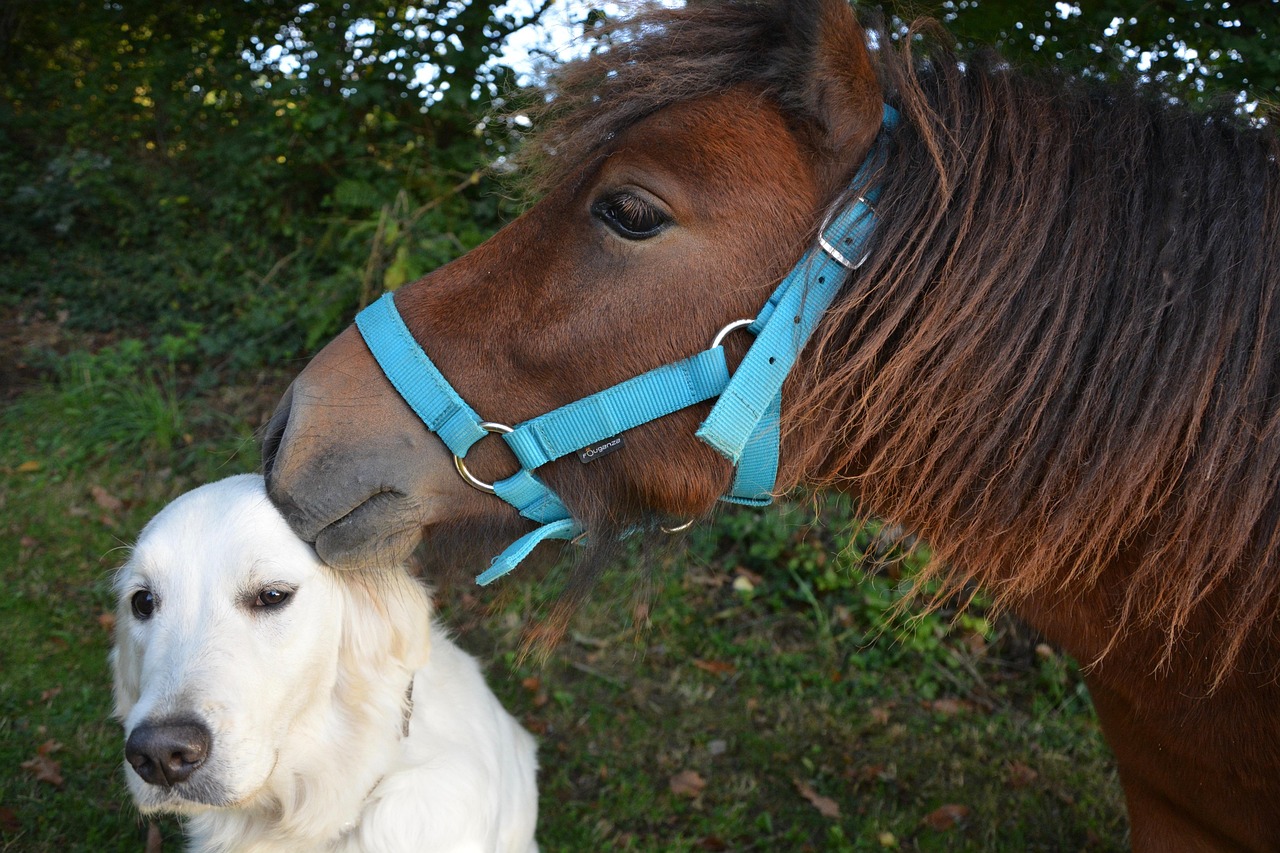
We understand you want to bring your loyal companion to the barn. Of course, safety is paramount for all involved – dogs, horses and riders.
It is believed that the best dogs for horses are generally herding breeds like the Australian Shepherd and Border Collie due to their intelligence and stamina, working breeds like the German Shepherd for loyalty and protective instincts, and gentle breeds like the Golden Retriever for their calm and friendly nature. Other popular choices include the agile Corgi, the tenacious Jack Russell Terrier, and the endurance-loving Dalmatian.
Herding and working breeds
- Australian Shepherd: Intelligent, energetic, and highly trainable, making them excellent ranch companions.
- Border Collie: Extremely intelligent and focused, with the speed and stamina to work alongside horses.
- Australian Cattle Dog (Blue Heeler): A robust and hardworking breed that thrives in a ranch environment and has great stamina.
- German Shepherd: Loyal, intelligent, and protective, with strong herding instincts and a versatile work ethic.
Companion and gentle breeds
- Golden Retriever: Known for their friendly and calm demeanor, they are gentle with other animals and make great companions for trail riding.
- Dalmatian: Historically bred to run alongside horse-drawn carriages, they have the endurance to keep up and are known to love horses.
- Labrador Retriever: Laid-back and loyal, they are good-natured and get along well with both people and other animals.
Small but mighty breeds
- Corgi: Despite their size, they have a strong herding instinct and plenty of energy.
- Jack Russell Terrier: Energetic, courageous, and intelligent, they are fast and can keep up with a horse.
Important considerations
- Training is key: Regardless of the breed, proper training and management are essential for a dog to be a good companion around horses. All dogs should be trained and socialized from a young age to ensure safety around large, easily spooked animals.
- Energy levels: Breeds with high endurance, like herding and working breeds, are often ideal for keeping pace on longer rides.
- Bonding: A dog that is raised with horses from a young age is more likely to bond with them, but adult dogs can adapt well with time and training.
- Job description: Consider what role you want your dog to fill. Do you need a trail companion, a farm watchdog, a rodent hunter, or a livestock guardian?.
- Energy level: Match the dog's energy level to your lifestyle. A working dog like a Border Collie will need much more activity than a more laid-back breed like a Labrador.
Ultimately, every dog is an individual. Getting a breed known to be good with horses is a good start, but there is no guarantee. Proper introductions and consistent training are key. Enjoy the time with your dog at the barn!
You can find more informative articles in our section on Recreation & Lifestyle. Take a look at our Curated Amazon Store for our selections in a wide variety of categories!
Are you interested in promoting your business or sharing content on EIE? Contact us at info@equineinfoexchange.com
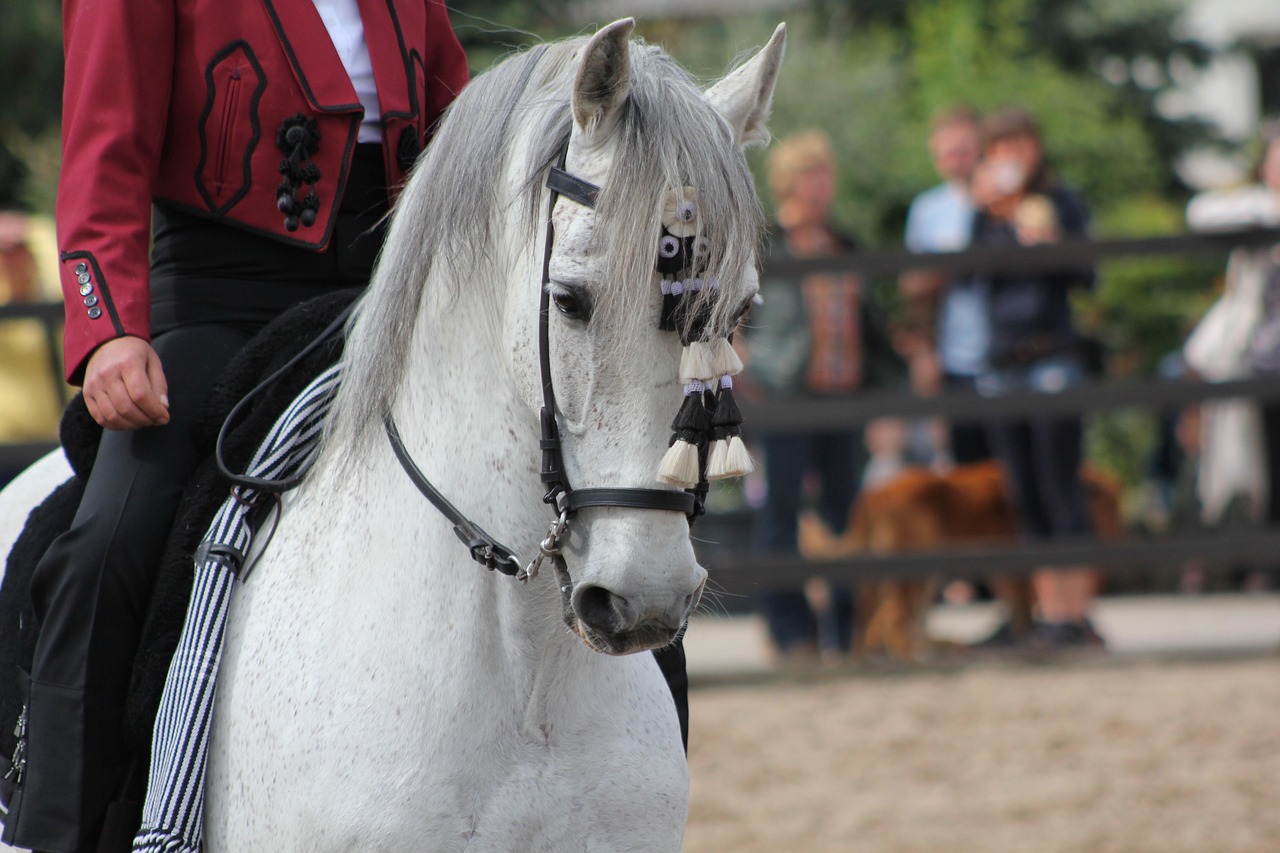
There is a special connection between horses and the landscapes of Spain. From the rolling Andalusian countryside to the vast plains of Castile, Spain has long been a country where equestrian traditions are woven deeply into the rhythm of daily life.
For centuries, the horse has symbolized grace, power, and pride, shaping both the culture and the countryside. Today, that legacy continues, attracting riders, breeders, and enthusiasts from around the world who dream of a life surrounded by open skies, olive groves, and the quiet companionship of horses.
A Legacy Rooted in Tradition
The Spanish horse, known for its intelligence and elegance, has a history that stretches back more than a thousand years. The Andalusian, or Pure Spanish Horse, remains one of the most admired breeds on earth. Its influence can be seen in the formation of many other breeds, from the Lipizzaner of Austria to the Lusitano of Portugal.
What makes this horse remarkable is not just its beauty but its spirit. Calm yet powerful, it reflects the grace of a country that values patience, skill, and balance.
Spanish equestrian culture is a living tradition. In rural villages, festivals celebrate the harmony between rider and horse, with parades, dressage demonstrations, and regional competitions that bring entire communities together. This devotion to horsemanship is not limited to professionals or breeders; it is part of Spain’s identity, present in both its history and its modern way of life.
The Landscape of the Horse
The Spanish landscape is as varied as it is breathtaking. From the lush, green hills of Galicia to the sunlit pastures of Andalusia, the environment is as inviting for horses as it is for their riders. The country’s geography provides diverse conditions for training, breeding, and leisure riding. Mountain trails, sandy beaches, and expansive meadows create an ideal natural setting for equestrian activities.
In southern regions such as Andalusia, the climate allows for year-round riding, with mild winters and long sunny days. Many stables are designed to make the most of the natural surroundings, blending traditional architecture with functionality. Courtyards, shaded walkways, and open arenas reflect a culture that has learned to live in harmony with both horse and land.
It is this blend of natural beauty and cultural heritage that continues to draw people from around the world. Those who dream of creating an equestrian home often begin by exploring property for sale Spain, where rural estates, fincas, and modern equestrian centers offer a chance to combine lifestyle with passion.
Equestrian Estates and Country Living
Spain offers an incredible range of properties suited for equestrian life. Traditional haciendas with stables and riding arenas sit among olive groves and vineyards, while contemporary estates cater to professional riders seeking advanced training facilities. Many properties include paddocks, barns, and access to scenic riding routes that stretch across open countryside.
What makes these properties so desirable is the quality of life they offer. The Spanish approach to rural living values simplicity and connection to nature. Days begin early, with the sound of horses in the stable, and end with sunset rides through golden fields.
For families, the country lifestyle provides both tranquility and community. For professionals, the equestrian industry in Spain offers access to a respected network of trainers, breeders, and international events.
For those looking to make a long-term investment, exploring property for sale in Spain opens the door to a lifestyle rooted in authenticity. Many rural estates combine traditional design with modern sustainability, offering solar energy systems, water recycling, and environmentally conscious construction. It is a perfect match for those who appreciate both heritage and forward thinking.
The Role of Equestrian Tourism
Beyond private ownership, Spain’s equestrian sector continues to grow through tourism and cultural experiences. Riding holidays are one of the most popular ways to explore the countryside, attracting visitors from across Europe and beyond.
Travelers can ride through vineyards in Rioja, explore pine forests in Catalonia, or canter along the beaches of Cádiz. These experiences connect people not only with the landscape but with local traditions and cuisine.
Equestrian tourism also supports rural communities by preserving cultural heritage and creating sustainable opportunities for local families. Traditional stables, small inns, and family-run farms often collaborate to provide authentic riding experiences that honor centuries-old traditions. This symbiotic relationship between the land, the horse, and the people ensures that Spain’s equestrian heritage continues to thrive in a modern world.
The Emotional Connection Between Rider and Place
Living with horses in Spain is about more than practicality; it is about emotional fulfillment. There is a deep serenity that comes from riding across ancient paths lined with almond trees or from watching your horses graze against a backdrop of distant mountains. Each region offers its own character. Andalusia is known for passion and pageantry, Catalonia for innovation and craftsmanship, and Castile for timeless, open beauty.
This emotional bond with place is one of the reasons why so many equestrian enthusiasts choose Spain as their destination. It is not simply about owning land; it is about belonging to a landscape that understands the language of horses. When people invest in property in Spain, they often find that what they are truly investing in is a way of life that balances freedom, purpose, and peace.
A Country Built on Harmony
Spain’s equestrian spirit is one of harmony-between rider and horse, between tradition and innovation, between work and pleasure. Whether training for competition or simply enjoying a quiet trail ride, life here moves at a pace that encourages appreciation. The respect for craftsmanship, care, and community that defines Spanish culture is evident in every stable, saddle, and stride.
For anyone who dreams of living close to the rhythm of nature and sharing each day with these magnificent animals, Spain offers both opportunity and inspiration. The connection between land, history, and horses runs deep, creating a foundation for a fulfilling and meaningful life.
Conclusion
Spain’s equestrian heritage is not a relic of the past; it is a vibrant part of the present. It lives in the architecture of rural estates, in the artistry of horsemanship, and in the spirit of its people. Across the country, tradition and beauty merge to create spaces where humans and horses coexist in harmony.
For riders and investors alike, the journey often begins with admiration but ends with belonging. To live among Spain’s horses is to experience a way of life that values grace, patience, and connection. A life that reflects the enduring bond between people and the animals that have shaped their world.
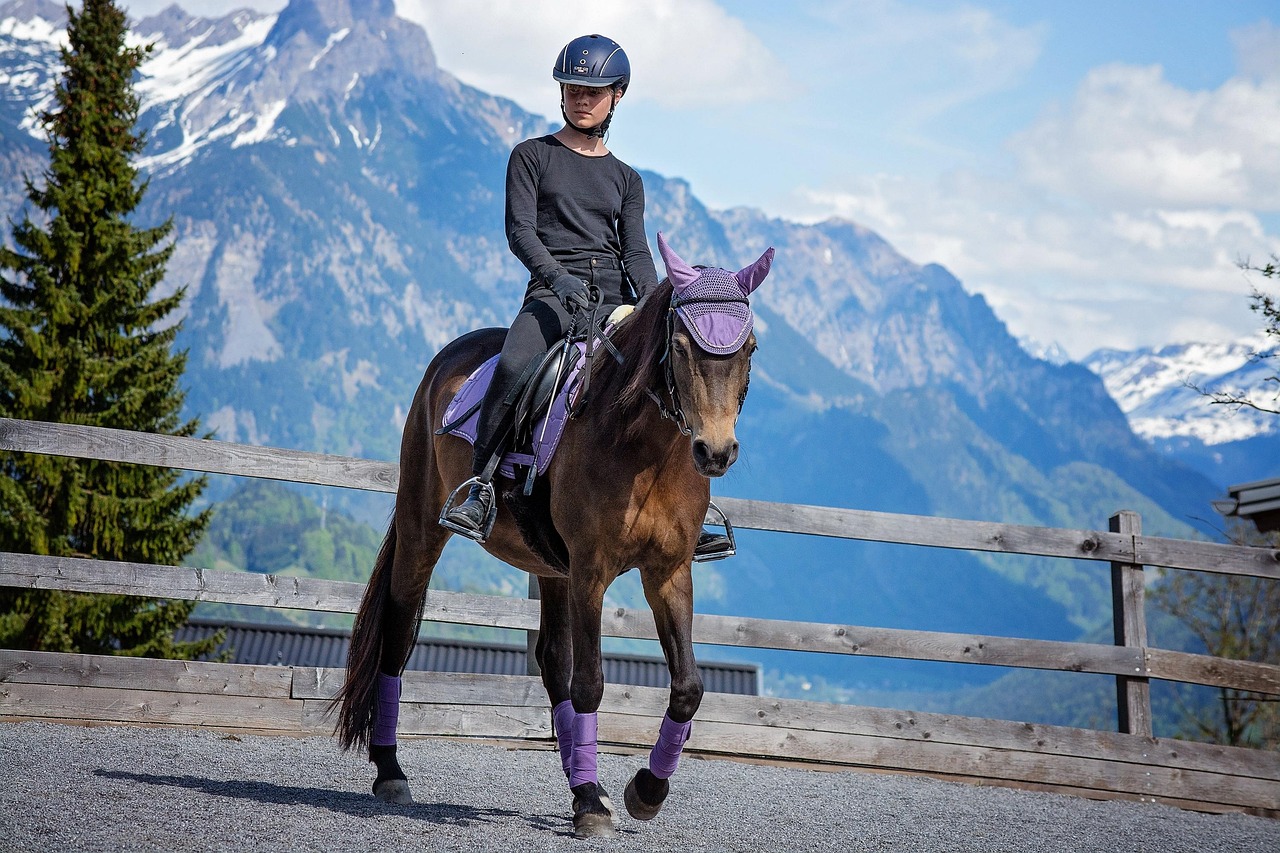
It's easy for us to beat ourselves up - in our tasks at home, at work, and even at the barn. Spending time with a horse should be a safe place and sanctuary, but we can sometimes feel like we don't measure up to other riders. Here are some thoughts and suggestions.
When you feel like the worst horseback rider, focus on building confidence by being kind to yourself and taking small, manageable steps. Work with your trainer on specific, short-term goals, and consider going back to basics like grooming and ground work to rebuild your confidence from the ground up. Remind yourself why you love riding, and remember that feeling nervous is normal; it doesn't make you a bad rider.
Strategies for building confidence
- Be kind to yourself: Acknowledge that it's normal to feel scared or anxious, especially after a fall or a bad experience. Don't beat yourself up over perceived failures, and remember that patience is key.
- Go back to basics: Sometimes the best way to move forward is to take a step back. Spend time on the ground with your horse to rebuild your confidence from the ground up. This can include mucking stalls, grooming, and cleaning tack while your horse is present.
- Focus on short-term goals: Work with your trainer to set a specific goal for a short period, like two to three weeks. Focusing on one or two skills at a time can prevent frustration and help you see progress.
- Ride more reliable horses: If possible, spend some time on a very calm, reliable horse to regain your comfort and confidence before moving back to more challenging ones.
- Change your routine: On days when you're feeling particularly anxious, change your riding plan. Instead of the original agenda, do something you both feel confident doing, like a relaxed ride in a field.
- Focus on partnership: Work on the relationship with your horse. This can include rewarding them for good behavior, staying soft and calm, and communicating clearly, which can lead to a better partnership.
What to do during a ride
- Pause and reset: If you feel anxiety building, stop what you are doing, take a few slow breaths, and then start again from a calm place.
- Ride with a relaxed posture: Keep your reins loose when appropriate and focus on a relaxed, soft posture to avoid making your horse more anxious.
- Practice what you know: If you feel uncomfortable with a certain maneuver, stop and work on something you are already confident doing. This helps you and your horse feel successful and builds confidence for both of you.
When to seek help
- Consider a clinic: A clinic can be a great way to gain confidence by riding with a new group of people in a structured environment.
- Discuss with your trainer: Have an open conversation with your trainer about how you're feeling. They can help you adjust your lessons and set realistic goals for you and your horse.
- Find a mentor: Don't be afraid to reach out to other riders for help. You don't have to go this alone. They may even feel the same way! Riding in partnership with others will help build confidence and friendships.
It's important to enjoy your time at the barn and we hope these suggestions help. Have more ideas? Reach out to us at info@equineinfoexchange.com.
You can find more informative articles in our section on Recreation & Lifestyle. Take a look at our Curated Amazon Store for our selections in a wide variety of categories!
Are you interested in promoting your business or sharing content on EIE? Contact us at info@equineinfoexchange.com
- A Wonderful Weekend at Equine Affaire 2025 in West Springfield, MA
- Red Flags and Riding Partners!
- Learn More about Jane Heart and Her Jewelry - Perfect for the Horse Lover!
- Horses vs. Barn Cats. What to do When They Don’t Get Along
- Avoiding Political Conflict at the Barn. Is it Possible?
- What are the Best Ways to Justify the Cost of a Horse?
- Remembering Robert Redford and His Love of Horses
- Superyachts - The Passion of Exceptional Craftsmanship
- Being Bullied at the Barn? Here are Tips to Help
- Hard to Find Friends at the Barn? Some Tips to Help!