



Health & Education
We all want the best care possible for our horses. The Heath & Education section covers both Learning Institutions, Organizations as well as many sources for equine assistance including Veterinarians and Farriers.
For those who want a to formally study horses, the Education section includes College Riding, Equine Studies, and Veterinary Schools. Learn about the wide variety of horses in the Horse Breeds section. Supplements and Treatments Therapy are also included in the section.
Everyone can learn from Fine Art and there are some specialty Museums that might surprise you.
Horses as a therapy partner enrich the lives of the disabled. These facilities are listed in our Therapeutic Riding section. To help children and young adults build confidence and grow emotionally, please see the resources available on the Youth Outreach page.
Looking for a place to keep your horse? You can find it in the Horse Boarding section. Traveling? Find a Shipping company or Horse Sitting service if your horse is staying home!
Want to stay up to date with the latest training clinics or professional conferences? Take a look at our Calendar of Events for Health & Education for the dates and locations of upcoming events.
Do we need to add more? Please use the useful feedback link and let us know!
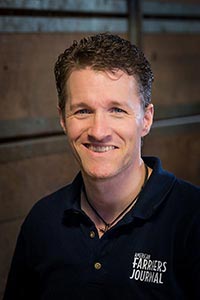
by Jeff Cota
Proposed changes to the American Veterinary Medical Association’s (AVMA) Model Veterinary Practice Act would have wide-ranging ramifications for the farrier industry.
The most significant of the proposed revisions call for the elimination of the farrier exemption from the Model Veterinary Practice Act (MVPA). The proposed elimination of the exemption can be found in Section 6 – Exemptions, subsection 8, Page 17.
This section exempts farriers from Section 2 – Definitions, subsection 15 of the MVPA, which defines “Practice of veterinary medicine,” in part, as:
“1. To diagnose, prognose, treat, correct, change, alleviate, or prevent animal disease, illness, pain, deformity, defect, injury, or other physical, dental, or mental conditions by any method or mode; including the:
- performance of any medical or surgical procedure, or
- prescription, dispensing, administration, or application of any drug, medicine, biologic, apparatus, anesthetic, or other therapeutic or diagnostic substance, or
- use of any complementary, alternative, and integrative therapies, or …
- determination of the health, fitness, or soundness of an animal, or
- rendering of advice or recommendation by any means including telephonic and other electronic communications with regard to any of the above.”
Read more: AVMA Proposes Elimination Of Farrier Exemption From Veterinary Practice Act
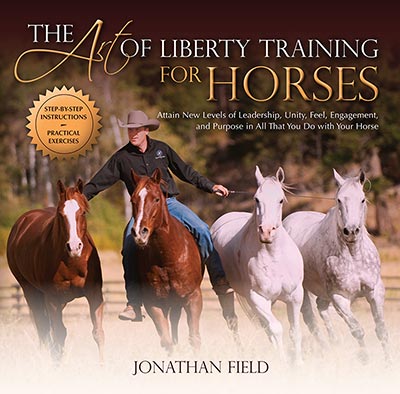
by Jonathan Field
Jonathan Field is known through the world for his liberty training and horsemanship skills. The subject of a documentary called “In Harmony with Horses” on Red Bull TV, his thoughtful approach helps people connect with and train horses of all breeds and disciplines.
Whether we want to play with a horse at liberty or develop a great riding horse, teaching him to be super confident and friendly with all kinds of objects, actions, and activities helps the relationship develop trust. A tame and trusting horse is one that has an open mind for you to teach. By nature, horses are skeptical. Knowing this, take time getting yours used to many different objects to build trust. Each object I train with has different texture, noise, and size. This builds confidence in my horse—he learns that there’s no need to worry about scary things when I’m there.
There are several keys to helping your horse be confident:
1. Let him move his feet. If he feels trapped when tied or confined, he may instinctively fight for freedom. Make sure while he moves it’s not moving his feet over you, though. Remember personal space! Even when he’s scared, that is still not up for a vote.
2. Don’t walk straight up to your horse. It’s predatory. Instead, approach him, then retreat, and repeat, getting incrementally closer each time.
Read more: The Keys to Building Confidence in Your Horse from a Master Liberty Trainer
- What is a Shagya-Arabian?
- New Year’s Resolutions for the Senior Horse Owner
- Understanding Cold-Induced Laminitis
- Keeping Your Horse Calm Naturally During Stall Rest
- How “Let’s Do It!” Can Change Your Horse Business…and Your Horse
- Dr. David Nash and NSF Grant Moves Equine Medicine into the Future, with Wide-Ranging Visions for Human Use, as Well
- Fall Equine Wellness: What Your Horse Needs
- The Effect of Minerals on the Insulin Resistance (IR) Horse
- Hurricane Harvey and Irma Horse Rescues
- Texas’ Horseback Emergency Response Team: Helping Hands and Horse, in the (Literal) Trenches
- What You Need to Know: Equine Leg Bandaging
- Quick Tips: Q&A: Controlling Parasites in Horses
- EIE Exclusive Interview with Heather Kitching of Angrove Stud, UK, Home of the Tobiano Racehorse
- In Hot Pursuit of Thoroughbred and Quarter Horse High Colors
- Spring Grass Safety - A Review
- Must-Haves for Your Equine First-Aid Kit
- Tracking Down the Tobiano Legend
- Orphan Foals: Success is Possible
- Health, Horses, Healing and Hippocrates
- Broodmare Nutrition During Late Gestation