




Health & Education
We all want the best care possible for our horses. The Heath & Education section covers both Learning Institutions, Organizations as well as many sources for equine assistance including Veterinarians and Farriers.
For those who want a to formally study horses, the Education section includes College Riding, Equine Studies, and Veterinary Schools. Learn about the wide variety of horses in the Horse Breeds section. Supplements and Treatments Therapy are also included in the section.
Everyone can learn from Fine Art and there are some specialty Museums that might surprise you.
Horses as a therapy partner enrich the lives of the disabled. These facilities are listed in our Therapeutic Riding section. To help children and young adults build confidence and grow emotionally, please see the resources available on the Youth Outreach page.
Looking for a place to keep your horse? You can find it in the Horse Boarding section. Traveling? Find a Shipping company or Horse Sitting service if your horse is staying home!
Want to stay up to date with the latest training clinics or professional conferences? Take a look at our Calendar of Events for Health & Education for the dates and locations of upcoming events.
Do we need to add more? Please use the useful feedback link and let us know!
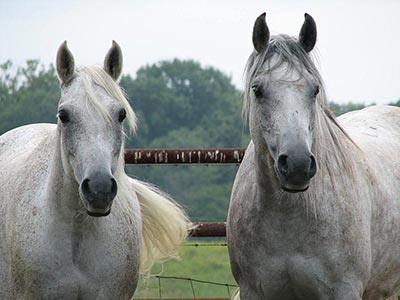
Today’s Shagya, also called a Shagya-Arabian because of the heavy influence of Arabians on the breed, is a rare, but versatile sport horse equally at home at dressage, eventing, show jumping, hunting, endurance riding, harness, or pleasure riding.
The breed was started in 1789 when the Hungarian military set out to develop a new breed of horse that combined the very best of Bedouin Arabians: elegance, endurance, hardiness, athleticism, temperament, and devotion to their rider, but with larger size, jumping ability, and riding ease to master the rigors and versatility of a cavalry horse. The intent of the program was to develop a superior cavalry horse that was equally at home under saddle and in harness and that could be used to improve other breeds as well.
The breeding program started at the Imperial Stud at Babolna, Hungary. Desertbred Arabian stallions of the correct size and type were bred to carefully selected native southeastern European mares which in turn were largely descended from Arabian stock. Careful records were kept from the very outset, not just of the pedigree and size and performance of the individual horses, but of the breeding quality and performance of their offspring.
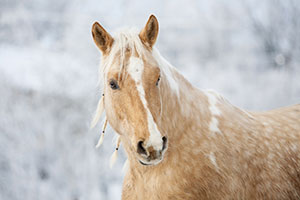
The New Year marks a birthday for many horses. For young horses being older is generally a welcomed thing and usually doesn't require any lifestyle changes, but for the senior horse one more year can be a big deal.
“Things like mobility, body condition, and digestion can really change in twelve months, especially for the super senior horse that is over 21,” says Laurie Cerny, editor of www.equineseniors.com
Cerny recommends that owners honestly assess their senior horses in two main areas: feed requirements and exercise/usability. They should also resolve to embrace moderation in the related assessed outcomes.
“When it comes to feed and supplements you can’t expect your horse will need and/or eat the same way they did at 15- now that they’re older,” she said. “In my experience with our older senior horses they get pickier with their hay. They also tend to sift supplements or NSAIDs (Nonsteroidal anti-inflammatory drug) from their grain rations.”
Read more: New Year’s Resolutions for the Senior Horse Owner
- Understanding Cold-Induced Laminitis
- Keeping Your Horse Calm Naturally During Stall Rest
- How “Let’s Do It!” Can Change Your Horse Business…and Your Horse
- Dr. David Nash and NSF Grant Moves Equine Medicine into the Future, with Wide-Ranging Visions for Human Use, as Well
- Fall Equine Wellness: What Your Horse Needs
- The Effect of Minerals on the Insulin Resistance (IR) Horse
- Hurricane Harvey and Irma Horse Rescues
- Texas’ Horseback Emergency Response Team: Helping Hands and Horse, in the (Literal) Trenches
- What You Need to Know: Equine Leg Bandaging
- Quick Tips: Q&A: Controlling Parasites in Horses
- EIE Exclusive Interview with Heather Kitching of Angrove Stud, UK, Home of the Tobiano Racehorse
- In Hot Pursuit of Thoroughbred and Quarter Horse High Colors
- Spring Grass Safety - A Review
- Must-Haves for Your Equine First-Aid Kit
- Tracking Down the Tobiano Legend
- Orphan Foals: Success is Possible
- Health, Horses, Healing and Hippocrates
- Broodmare Nutrition During Late Gestation
- ‘Anonymous Horses’: Kill Pen Rescues Come With Serious Health Risks
- Introducing the Rare, Colorful and Beautiful Knabstrupper Breed