





Health & Education
We all want the best care possible for our horses. The Heath & Education section covers both Learning Institutions, Organizations as well as many sources for equine assistance including Veterinarians and Farriers.
For those who want a to formally study horses, the Education section includes College Riding, Equine Studies, and Veterinary Schools. Learn about the wide variety of horses in the Horse Breeds section. Supplements and Treatments Therapy are also included in the section.
Everyone can learn from Fine Art and there are some specialty Museums that might surprise you.
Horses as a therapy partner enrich the lives of the disabled. These facilities are listed in our Therapeutic Riding section. To help children and young adults build confidence and grow emotionally, please see the resources available on the Youth Outreach page.
Looking for a place to keep your horse? You can find it in the Horse Boarding section. Traveling? Find a Shipping company or Horse Sitting service if your horse is staying home!
Want to stay up to date with the latest training clinics or professional conferences? Take a look at our Calendar of Events for Health & Education for the dates and locations of upcoming events.
Do we need to add more? Please use the useful feedback link and let us know!
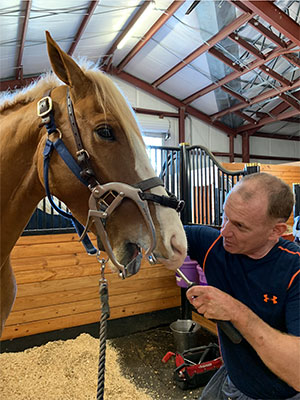
By Jessica Duffy - USEA Staff
“To understand why we do dentistry and what the aims are, you need to understand about anatomy – how the teeth are set up – and how horses chew,” began Dr. James Brown, Clinical Associate Professor of Equine Surgery at Virginia Tech’s Marion duPont Scott Equine Medical Center in Leesburg, Virginia. “They chew on a side-to-side motion versus an up-and-down motion, the way we chew. So, it’s important that they have that range of motion.”
Horses spend an average of 10 hours a day eating and erupt anywhere from 2-6 millimeters of tooth per year, so making sure that your horse’s teeth are taken care of is crucial to their overall health and wellbeing. Furthermore, issues with a horse’s teeth can translate into issues while they are under saddle, as the bit and bridle can become uncomfortable if the horse’s teeth aren’t properly cared for.
Read more: Straight From the Horse’s Mouth: Equine Dentistry Basics
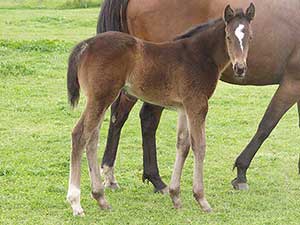
by Eleanor M. Kellon, VMD
When an average size mare delivers, she will have produced a 100+ lb foal, an 11-pound placenta, and as much as 16 pounds of fluid. She has also greatly increased the size and thickness of her uterus, and blood volume increased about 30% during pregnancy. The raw materials to build these things didn't come from thin air.
Providing adequate calories is the easy part. Rapidly dividing cells also have critical needs for amino acids, vitamins and minerals that they must obtain from the placenta.
It's true that the dam will rob her own body tissues, if necessary, to provide for the fetus (not that this is a desirable management tactic!). It's also true that the dam cannot provide something she herself does not have. If she starts the pregnancy with low body reserves and her diet is not adequate, the foal will be short-changed, and the mare will become even more deficient.
Extreme deficiencies result in things like White Muscle Disease and goiter with hypothyroidism in foals. More insidious effects include a higher risk for developmental orthopedic disease like OCD and contractures. Chronic copper deficiency has been linked to uterine artery rupture in mares.
Advice on feeding pregnant mares used to pay no special attention to nutrition until the last trimester. The latest (2007) NRC recommendations begin to allow for increased nutrients in the 5th month, but since there are still gaps in the research, there are also gaps in their recommendations. For example, they don't allow for any increase in zinc or manganese, but obviously foals require those essential minerals in their bodies.
- Monty Roberts: I Don’t Want My Students to Be As Good As Me
- How to Choose the Right Farrier for Your Horse
- What Horses Like
- 3 Ways to Learn to Ride Better - An Excerpt from Two Brains, One Aim
- Older Horses Need Supplemental Vitamin C
- The Resistance – Equine Parasites Rise Up
- Laminitis: A Year-Round Concern
- Quality Care for Tendons and Ligaments
- Feeding Flaxseeds: Do you have all the facts?
- 5 Red Flags You Should Not Ignore When Horse Shopping (And How to Address Them)
- The Secret to Healthy Horses? Keep it Simple!
- Horse Health: Equine Influenza and How to Minimize Your Risk
- Managing Horses in Hot Weather
- Ketogenic Diet for Horses? Pass
- The Right Way to Dose Electrolytes
- Muzzle Adjustments May Prevent Teeth Damage
- 12 Stretches to Release Lower Back and Hip Pain In Riders
- Horse Health: You Can Lead a Horse to Water…
- Is it Time to Change Bits?
- Maintain Your Horse’s Safety This Fourth of July