





Health & Education
We all want the best care possible for our horses. The Heath & Education section covers both Learning Institutions, Organizations as well as many sources for equine assistance including Veterinarians and Farriers.
For those who want a to formally study horses, the Education section includes College Riding, Equine Studies, and Veterinary Schools. Learn about the wide variety of horses in the Horse Breeds section. Supplements and Treatments Therapy are also included in the section.
Everyone can learn from Fine Art and there are some specialty Museums that might surprise you.
Horses as a therapy partner enrich the lives of the disabled. These facilities are listed in our Therapeutic Riding section. To help children and young adults build confidence and grow emotionally, please see the resources available on the Youth Outreach page.
Looking for a place to keep your horse? You can find it in the Horse Boarding section. Traveling? Find a Shipping company or Horse Sitting service if your horse is staying home!
Want to stay up to date with the latest training clinics or professional conferences? Take a look at our Calendar of Events for Health & Education for the dates and locations of upcoming events.
Do we need to add more? Please use the useful feedback link and let us know!
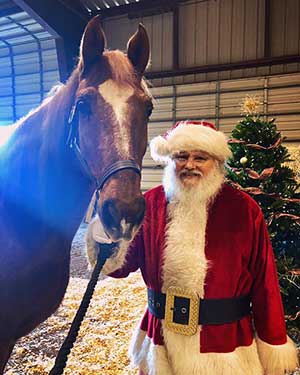
by Jo Ann Holt
Several equestrian programs that benefit veterans and their families will be held in December.
Equest’s Hooves for Heroes hosts a free program, Horsemanship 101 (H101) for veterans, active duty military members, and their families. The Dec. 8 program is from 1 to 4 p.m. at Texas Horse Park. Their address is 811 Pemberton Hill Road in Dallas. Registration for the free program is required at equest.org/events.
Horsemanship 101 allows participants to sample different programs that Equest offers. Several stations will focus on different areas, like Equine Facilitated Counseling through herd behavior observation. Other programs are horsemanship, Equine Assisted Learning through grooming, and more.
The program empowers veterans and military families to take charge of their civilian transitions. These veteran program services are offered at no cost to active duty service personnel. Also free to Guard or Reserve members, or any veteran of the U.S. Armed Forces and their immediate family members. To learn more about Hooves for Heroes, visit equest.org/veterans.
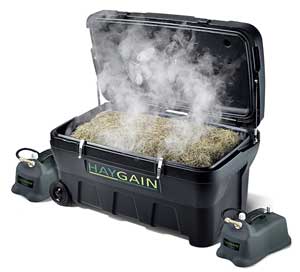
Scientific Reports, a Nature Research publication, publishes new research identifying new allergens associated with severe equine asthma.
It is common knowledge that the inhalation of stable ‘dust’ in predisposed horses results in SEA (previously known as recurrent airway obstruction/heaves/COPD).
“We know this ‘dust’ contains bacteria, fungi, pollen and arthropods (e.g. mites), but what we wanted to establish was the precise allergen that elicit this prevalent and debilitating condition” said researcher Samuel White, who conducted the study under the supervision of Professor Meriel Moore-Colyer of the Royal Agricultural University and Professors Duncan Hannant and Marcos Alcocer of the University of Nottingham.
Using advances in computational and robotic technologies, White developed a novel method which enabled the simultaneous assessment of almost 400 potential allergen in over 130 SEA-affected and healthy horses. This was the widest-scale allergen assessment in SEA horses to date and revealed many similarities with human allergic asthma.
The results confirmed allergen previously identified in hay (e.g. Aspergillus fumigatus), as well as revealing a plethora of unidentified bacteria, fungi and arthropod. Previous research by Moore-Colyer et al (2016)* has proven high temperature steaming of hay with a Haygain removes the airborne dust from the breathing zone of the horse, and is thus effective against these allergens.
White’s work also identified pollen allergens, which had not previously been associated with SEA.
“The most significant and surprising allergens associated with SEA were from natural rubber latex,” White said. “Latex is historically associated with the equine environment in the form of artificial surfaces on arenas and racetracks.”
The high level of respirable dust associated with training on these surfaces has already been linked with chronic bronchitis, inflammation and oxidative stress in riding instructors, and latex has long been associated with a variety of respiratory conditions in the human. These results indicate that exposure to latex may be detrimental to the respiratory health of the horse.
Read more: New Allergens Associated with Severe Equine Asthma
- Testing a New Therapy for Horses Struggling to Breathe
- Minerals and the EMS Equine
- Straight From the Horse’s Mouth: Equine Dentistry Basics
- Nutrition for the Pregnant Mare
- Monty Roberts: I Don’t Want My Students to Be As Good As Me
- How to Choose the Right Farrier for Your Horse
- What Horses Like
- 3 Ways to Learn to Ride Better - An Excerpt from Two Brains, One Aim
- Older Horses Need Supplemental Vitamin C
- The Resistance – Equine Parasites Rise Up
- Laminitis: A Year-Round Concern
- Quality Care for Tendons and Ligaments
- Feeding Flaxseeds: Do you have all the facts?
- 5 Red Flags You Should Not Ignore When Horse Shopping (And How to Address Them)
- The Secret to Healthy Horses? Keep it Simple!
- Horse Health: Equine Influenza and How to Minimize Your Risk
- Managing Horses in Hot Weather
- Ketogenic Diet for Horses? Pass
- The Right Way to Dose Electrolytes
- Muzzle Adjustments May Prevent Teeth Damage