




Health & Education
We all want the best care possible for our horses. The Heath & Education section covers both Learning Institutions, Organizations as well as many sources for equine assistance including Veterinarians and Farriers.
For those who want a to formally study horses, the Education section includes College Riding, Equine Studies, and Veterinary Schools. Learn about the wide variety of horses in the Horse Breeds section. Supplements and Treatments Therapy are also included in the section.
Everyone can learn from Fine Art and there are some specialty Museums that might surprise you.
Horses as a therapy partner enrich the lives of the disabled. These facilities are listed in our Therapeutic Riding section. To help children and young adults build confidence and grow emotionally, please see the resources available on the Youth Outreach page.
Looking for a place to keep your horse? You can find it in the Horse Boarding section. Traveling? Find a Shipping company or Horse Sitting service if your horse is staying home!
Want to stay up to date with the latest training clinics or professional conferences? Take a look at our Calendar of Events for Health & Education for the dates and locations of upcoming events.
Do we need to add more? Please use the useful feedback link and let us know!
by Channing Seideman
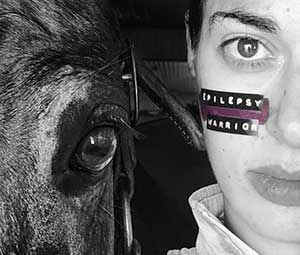
An epilepsy diagnosis and risk of seizures while horseback riding doesn’t mean your equestrian days are over.
When people learn that I have epilepsy and ride horses, I typically hear: “Are you kidding? Isn’t that dangerous?” And it can be, unless you take the proper precautions (like wearing a Hit Air inflatable vest) to set yourself up for success.
Epilepsy is an individualized condition, and symptoms manifest themselves differently for everyone. Though epilepsy increases the chances of getting hurt while riding, because of the risk of having a seizure, there are steps you can take to mitigate that risk:
- Partner with a suitable horse
- Use proper safety equipment
- Find a supportive barn
Bottom line: you CAN ride horses with epilepsy, which I know from experience.
Read more: 3 Tips for Horse Riding With Epilepsy (and Confidence)
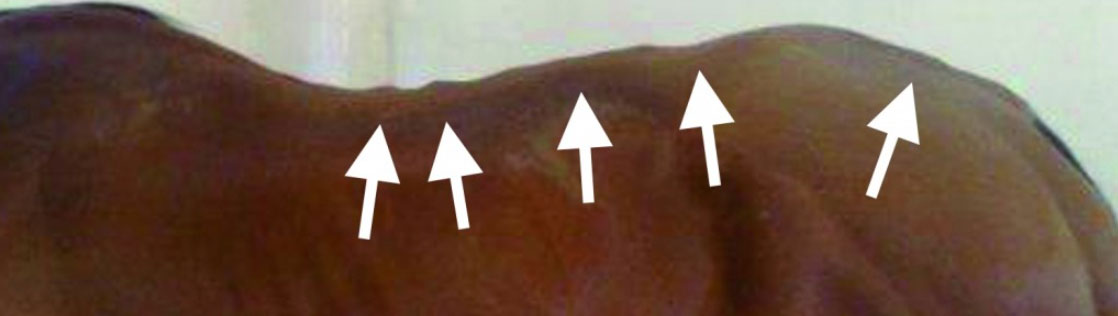
Cartilage chipping, nerve pinching, subluxated vertebrae, tongue problems – to mention only a few – can result in further behavioural and even psychological damage to the horse, which will make it almost impossible for horse and rider to find harmony. So please: listen to what your horse is trying to tell you! If you train the horse fairly and kindly the horse will accept you as the alpha horse. Once the horse accepts you as the alpha or leader, they can’t help but try to please you; it is in their nature for the last 50 million years. It is in the horse’s instinct to do want you want them to do, as long as you follow the natural and classical training methods. Be aware of potential saddle fit issues if behavioural changes or issues crop up over a longer period (a couple of days!) and do your due diligence to avoid the results shown in these photos.
The following pictures demonstrate clearly some of the often-irreparable long-term damage, which can result from a badly fitting saddle.
Read more: Physical Signs of Damage Caused by Ill-Fitting Saddles
- Conception Failure in Mares: Seven Causes
- Horses Blink Less, Twitch Eyelids More When Stressed, U of G Researchers Find
- Maintain Your Horse’s Safety This New Year's Eve
- Caring for “Winter Woolies”
- Equestrian Programs Benefit Veterans
- New Allergens Associated with Severe Equine Asthma
- Testing a New Therapy for Horses Struggling to Breathe
- Minerals and the EMS Equine
- Straight From the Horse’s Mouth: Equine Dentistry Basics
- Nutrition for the Pregnant Mare
- Monty Roberts: I Don’t Want My Students to Be As Good As Me
- How to Choose the Right Farrier for Your Horse
- What Horses Like
- 3 Ways to Learn to Ride Better - An Excerpt from Two Brains, One Aim
- Older Horses Need Supplemental Vitamin C
- The Resistance – Equine Parasites Rise Up
- Laminitis: A Year-Round Concern
- Quality Care for Tendons and Ligaments
- Feeding Flaxseeds: Do you have all the facts?
- 5 Red Flags You Should Not Ignore When Horse Shopping (And How to Address Them)