




Health & Education
We all want the best care possible for our horses. The Heath & Education section covers both Learning Institutions, Organizations as well as many sources for equine assistance including Veterinarians and Farriers.
For those who want a to formally study horses, the Education section includes College Riding, Equine Studies, and Veterinary Schools. Learn about the wide variety of horses in the Horse Breeds section. Supplements and Treatments Therapy are also included in the section.
Everyone can learn from Fine Art and there are some specialty Museums that might surprise you.
Horses as a therapy partner enrich the lives of the disabled. These facilities are listed in our Therapeutic Riding section. To help children and young adults build confidence and grow emotionally, please see the resources available on the Youth Outreach page.
Looking for a place to keep your horse? You can find it in the Horse Boarding section. Traveling? Find a Shipping company or Horse Sitting service if your horse is staying home!
Want to stay up to date with the latest training clinics or professional conferences? Take a look at our Calendar of Events for Health & Education for the dates and locations of upcoming events.
Do we need to add more? Please use the useful feedback link and let us know!

Implement these safety best practices to help celebrate New Year's Eve with the greatest display of all – a safe, injury-free horse.
How does your horse react to fireworks?
In a recent horse owner survey, which examined the effects fireworks can have on horses, 99 percent of respondents indicated their horse exhibited fireworks-related anxiety – such as galloping, sweating, trembling and damaging fences – and 26 percent of horse owners reported their horse sustaining injuries due to such anxiety from fireworks.1 While multiple injuries were reported, the most common included cuts, sprains and broken limbs.
Maintain your horse’s health and safety. Before celebrating, ask your veterinarian about prescribing a tube of Dormosedan Gel® (detomidine hydrochloride) for your horse.
by Kendra Gale
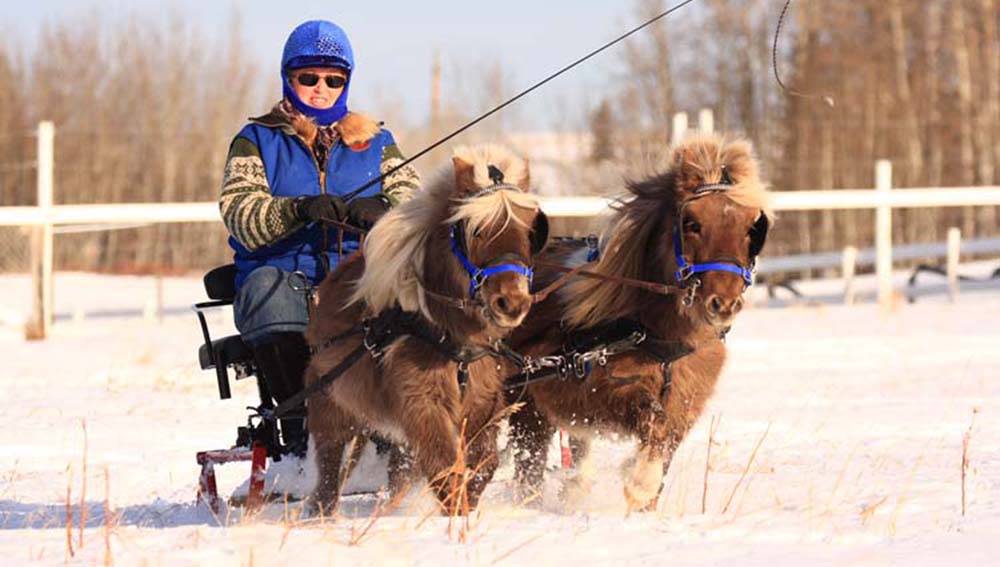
It is recommended to closely monitor your horse’s body condition so you can catch any required changes to your feeding program early and make adjustments before your horse becomes too fat or too thin. Miniature Horses present their owner with a unique challenge—as compared to their larger counterparts—and that is their winter hair.
Miniatures grow a very impressive winter coat, and they grow it early and keep it late, often even in climates where such a thick coat isn’t necessary for warmth. This “fur” is a great asset for keeping them warm, but it can hide a multitude of “sins,” so it is important during the winter months to actually put your hands on your horse on a regular basis to monitor his body condition. If you rely on a visual assessment, you might miss some serious issues that will need attention.
Weanlings, especially, grow a very thick wooly coat, and they are among the most vulnerable to losing weight during their first winter. Elderly horses, as well, should be carefully monitored, but any horse can have a health or dental issue and suddenly lose weight, so feeling routinely for fat cover over ribs, hips, and backbone is very important for the winter health of your horse.
- Equestrian Programs Benefit Veterans
- New Allergens Associated with Severe Equine Asthma
- Testing a New Therapy for Horses Struggling to Breathe
- Minerals and the EMS Equine
- Straight From the Horse’s Mouth: Equine Dentistry Basics
- Nutrition for the Pregnant Mare
- Monty Roberts: I Don’t Want My Students to Be As Good As Me
- How to Choose the Right Farrier for Your Horse
- What Horses Like
- 3 Ways to Learn to Ride Better - An Excerpt from Two Brains, One Aim
- Older Horses Need Supplemental Vitamin C
- The Resistance – Equine Parasites Rise Up
- Laminitis: A Year-Round Concern
- Quality Care for Tendons and Ligaments
- Feeding Flaxseeds: Do you have all the facts?
- 5 Red Flags You Should Not Ignore When Horse Shopping (And How to Address Them)
- The Secret to Healthy Horses? Keep it Simple!
- Horse Health: Equine Influenza and How to Minimize Your Risk
- Managing Horses in Hot Weather
- Ketogenic Diet for Horses? Pass