




Health & Education
We all want the best care possible for our horses. The Heath & Education section covers both Learning Institutions, Organizations as well as many sources for equine assistance including Veterinarians and Farriers.
For those who want a to formally study horses, the Education section includes College Riding, Equine Studies, and Veterinary Schools. Learn about the wide variety of horses in the Horse Breeds section. Supplements and Treatments Therapy are also included in the section.
Everyone can learn from Fine Art and there are some specialty Museums that might surprise you.
Horses as a therapy partner enrich the lives of the disabled. These facilities are listed in our Therapeutic Riding section. To help children and young adults build confidence and grow emotionally, please see the resources available on the Youth Outreach page.
Looking for a place to keep your horse? You can find it in the Horse Boarding section. Traveling? Find a Shipping company or Horse Sitting service if your horse is staying home!
Want to stay up to date with the latest training clinics or professional conferences? Take a look at our Calendar of Events for Health & Education for the dates and locations of upcoming events.
Do we need to add more? Please use the useful feedback link and let us know!
by Holly Wiemers
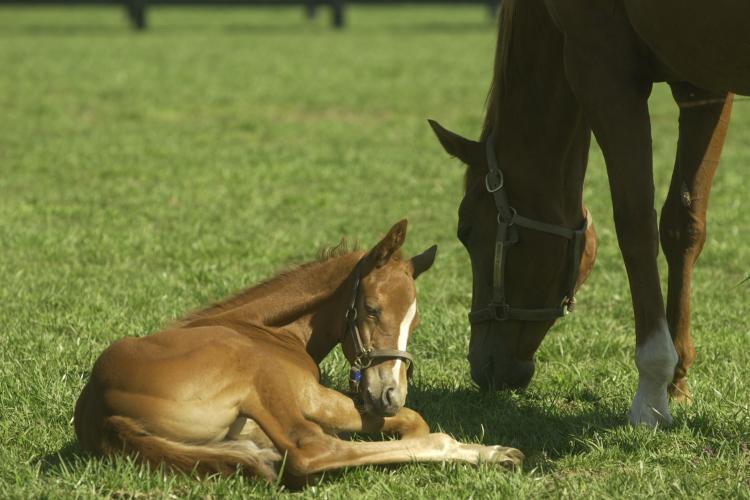
The 2019-2020 foaling season has seen an increase in reports of Nocardioform placentitis, both in cases submitted to the University of Kentucky’s Veterinary Diagnostic Laboratory and in reports from equine practitioners in the field. Nocardioform placentitis is an equine placental disease affecting pregnant mares and their foals during pregnancy.
UK’s VDL provides real-time surveillance of this and other livestock diseases and has been sending reports updating practitioners and farms about what is being seen since positive tissue samples started appearing in late October.
Additionally, the Gluck Equine Research Center announced at its foundation board meeting Feb. 6 that it was activating Koller Emergency Response Funds to immediately augment existing research efforts and launch new projects to study the disease while it is occurring, with an aim of understanding the disease better.
Currently, early identification of the disease is a challenge, making it difficult to identify at-risk mares and treat them proactively.
by Andrea Monsarrat Waldo
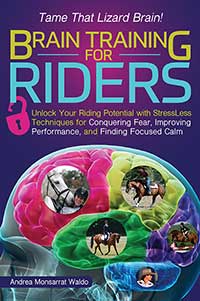
Here are a few common mismatches that I see (or have experienced myself) between horses and riders. Some feel like you’ve been accidentally miscast in a romantic comedy, while others are worthy of full horror-flick status. See if any of these feel vaguely, or not-so-vaguely, familiar.
He’s Green—and so Are You
You have just started riding in the last couple of years, or you’ve taken it up again recently after riding a little bit in your childhood. You looked at a couple of schoolmaster types, but they were all older and needed a fair amount of maintenance. And they were, well, kind of plain. You found a gorgeous three-year-old that was as sweet as could be, and the seller said it was the easiest youngster she had ever worked with. You don’t have the opportunity to take regular lessons, but you do ride in an occasional clinic, so you figured you could get some guidance there if you got stuck.
Unfortunately, though, it’s not progressing as smoothly as you thought it would. The horse has started getting really pushy on the ground, and you’re having a hard time controlling him under saddle. He has started to test you with misbehaviors here and there, and you’re worried, because they seem to be escalating in their intensity.
- Born to Stretch — Long and Low
- Don’t Be So Hard On Yourself; 10 Ways to Stay Positive About Showing
- 3 Tips for Horse Riding With Epilepsy (and Confidence)
- Physical Signs of Damage Caused by Ill-Fitting Saddles
- Conception Failure in Mares: Seven Causes
- Horses Blink Less, Twitch Eyelids More When Stressed, U of G Researchers Find
- Maintain Your Horse’s Safety This New Year's Eve
- Caring for “Winter Woolies”
- Equestrian Programs Benefit Veterans
- New Allergens Associated with Severe Equine Asthma
- Testing a New Therapy for Horses Struggling to Breathe
- Minerals and the EMS Equine
- Straight From the Horse’s Mouth: Equine Dentistry Basics
- Nutrition for the Pregnant Mare
- Monty Roberts: I Don’t Want My Students to Be As Good As Me
- How to Choose the Right Farrier for Your Horse
- What Horses Like
- 3 Ways to Learn to Ride Better - An Excerpt from Two Brains, One Aim
- Older Horses Need Supplemental Vitamin C
- The Resistance – Equine Parasites Rise Up