




Health & Education
We all want the best care possible for our horses. The Heath & Education section covers both Learning Institutions, Organizations as well as many sources for equine assistance including Veterinarians and Farriers.
For those who want a to formally study horses, the Education section includes College Riding, Equine Studies, and Veterinary Schools. Learn about the wide variety of horses in the Horse Breeds section. Supplements and Treatments Therapy are also included in the section.
Everyone can learn from Fine Art and there are some specialty Museums that might surprise you.
Horses as a therapy partner enrich the lives of the disabled. These facilities are listed in our Therapeutic Riding section. To help children and young adults build confidence and grow emotionally, please see the resources available on the Youth Outreach page.
Looking for a place to keep your horse? You can find it in the Horse Boarding section. Traveling? Find a Shipping company or Horse Sitting service if your horse is staying home!
Want to stay up to date with the latest training clinics or professional conferences? Take a look at our Calendar of Events for Health & Education for the dates and locations of upcoming events.
Do we need to add more? Please use the useful feedback link and let us know!
Equitopia traveled to Holland to investigate how a rider's shifting weight in the saddle effects the gait of a horse. Equitation seat specialist Tessa Roos and equine motion analyst Bert Lam strapped Pegasus Gait analysis sensors on a horse and collected data in various positions. www.EquitopiaCenter.com
Read more: Rider Biomechanics: Using Sensors to See How the Rider Influences the Horse (7:24)
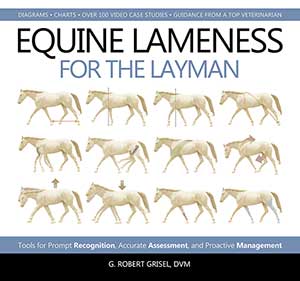
by G. Robert Grisel, DVM
Foremost, we should consider the basic rationale behind why horses limp. Is it pain? Is it some biomechanical restriction that prohibits normal movement? Pain might be an inciter in some instances, but the uncomfortable horse actually limps in an attempt to avoid pain. The resulting gait abnormality, therefore, is a voluntary action executed by the horse to circumvent the problem as opposed to an involuntary product of the problem. This is an important distinction, because as observers we don’t directly appreciate the source of the horse’s pain. Rather, we see how the horse alters its movement to escape it.
Visual assessment of the horse’s physical adjustments relies on the art of pattern recognition, which is relatively simple once we know where to look, when to look, and what to look for. This concept is familiar to us, because all of us practice pattern recognition in one form or another in our daily activities/jobs. Horse trainers, for instance, regularly evaluate recurring patterns of body language expressed by riders, both correct and incorrect. Farriers, on the other hand, are accustomed to interpreting various patterns of hoof wear. In all cases, abnormal patterns can give us insight with regard to what might be going on behind the scenes. With practice, we will learn to use our pattern recognition skills to depict visual markers of lameness that were previously imperceptible.
- Wild Horses Can Re-balance The Ecosystem: Good For Outdoor Sports; Reduces Wildfires & Toxic Smoke
- Getting to the Point: Equine Acupuncture
- Equine Connection: International Horse Certification Course with Business Training
- Care of the Mare and Foal at Weaning
- Dental Basics: The Who, What, When, How and Why of Floating Teeth
- How Myofascial Bodywork Helps Horses
- The Effects of Routine Morning Exercise on Muscle Response
- Is the Great British Shire Horse About to Go Extinct?
- Red Light at Night Facilitates Recovery and Rest
- Breathing Easy: A Key to Equine Health and Performance
- Alfalfa and the Insulin Resistant Horse - The True Story
- Burning And Learning?
- The Canadian Horse: Discover a Versatile Breed Rich in History
- Core Equine Disease Risks Increase Amid Mosquito Season
- Equilume Stable Light Can Influence Body Composition and Biological Rhythms in Horses-in-training
- Inflammation: It’s Not Just In Joints
- Horsepower: How Digital Technology is Transforming the Equine World
- Exercising and Training Horses in Hot Weather
- Choose Hemp Instead of Soy for Your Horse!
- Equine Odontoclastic Tooth Resorption and Hypercementosis