





Health & Education
We all want the best care possible for our horses. The Heath & Education section covers both Learning Institutions, Organizations as well as many sources for equine assistance including Veterinarians and Farriers.
For those who want a to formally study horses, the Education section includes College Riding, Equine Studies, and Veterinary Schools. Learn about the wide variety of horses in the Horse Breeds section. Supplements and Treatments Therapy are also included in the section.
Everyone can learn from Fine Art and there are some specialty Museums that might surprise you.
Horses as a therapy partner enrich the lives of the disabled. These facilities are listed in our Therapeutic Riding section. To help children and young adults build confidence and grow emotionally, please see the resources available on the Youth Outreach page.
Looking for a place to keep your horse? You can find it in the Horse Boarding section. Traveling? Find a Shipping company or Horse Sitting service if your horse is staying home!
Want to stay up to date with the latest training clinics or professional conferences? Take a look at our Calendar of Events for Health & Education for the dates and locations of upcoming events.
Do we need to add more? Please use the useful feedback link and let us know!
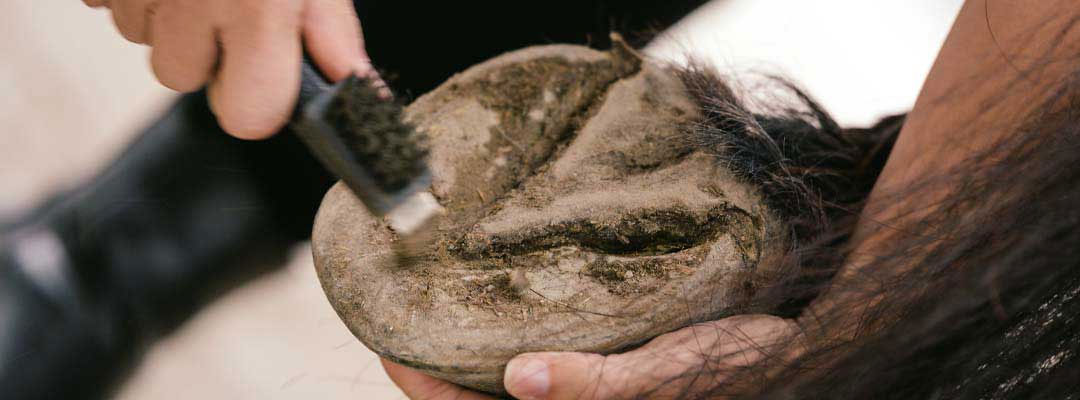
Learn more about the common condition, hoof thrush, and about thrush treatment for horses
Whew, do you smell that?
Once you smell thrush, it’s unlikely you will ever forget it.
Equine thrush infection is a hoof condition that many horse owners battle. It is described as an infection localized in the “frog” of the hoof, especially the grooves on the sides and middle of the frog called the sulci. The condition is characterized by a foul odor, a dark-colored discharge, soreness of the frog and deformation of the frog’s shape.
Thrush has been positively identified as being a bacterial infection of the soft tissue of the hoof, which is caused by Fusobacterium necrophorum. This anaerobic bacteria is a natural part of a healthy horse’s gut flora. It passes through their system and gets picked up on the hoof. While thrush is encouraged by dark, wet conditions, a case can occur in even the best of circumstances.
How do you identify thrush?
- Tenderness and/or pain in the foot
- Black, pus-like fluid
- Bleeding
- Strong, unpleasant odor
What causes thrush?
- Bacteria that thrive in wet conditions, especially environments contaminated with urine or manure
- Consistently wet conditions
- Infrequent hoof cleaning
How do you treat thrush?
- Move the horse to a clean and dry area.
- Ensure bedding and footing is as dry as possible.
- Pick the hooves out daily.
- Apply an antiseptic foot wash to clean the hooves. To determine frequency of application for daily use, please reference your thrush treatment’s product label, as treatment recommendations vary by product. Gently wipe it through the hoof to get into cracks and crevices.
- Hooflex Thrush Remedy is tough on bacteria and fungi because it is a broad-based antimicrobial. This means it will help battle the bacteria that causes thrush but also fungus that can follow. The product is “convenient to use and dried up my horse's thrush in two weeks,” said Jeannette, a horse owner in Pennsylvania. “It was recommended to me by my farrier.”
- Contact your farrier or veterinarian if the problem persists for longer than one week.
How long will it take to treat thrush?
Because of the nature of this infection, and the possibility of reinfection, it will take persistence to fully treat a case. Don’t give up after a few days -- it can take weeks. Though thrush can happen in just about any barn, it can be successfully managed when a comprehensive hoof care plan is implemented.
To help reduce risk for thrush and support excellent hoof care for your horse, schedule regular farrier visits every six to eight weeks. Also, pick your horses’ hooves often, daily if possible. Fight back bacteria and fungus with a proven thrush treatment solution, and make sure the paddocks and bedding are as dry as possible.
Looking to learn more about common hoof problems your horse may experience? Continue reading for details on types of horse hoof cracks, or, learn answers to common hoof care questions in this Q&A with a horse farrier.
About the author: This content was originally provided by Absorbine/W.F. Young, manufacturer of Hooflex Thrush Remedy, with additions included from Valley Vet Supply. Visit Valley Vet to learn more.
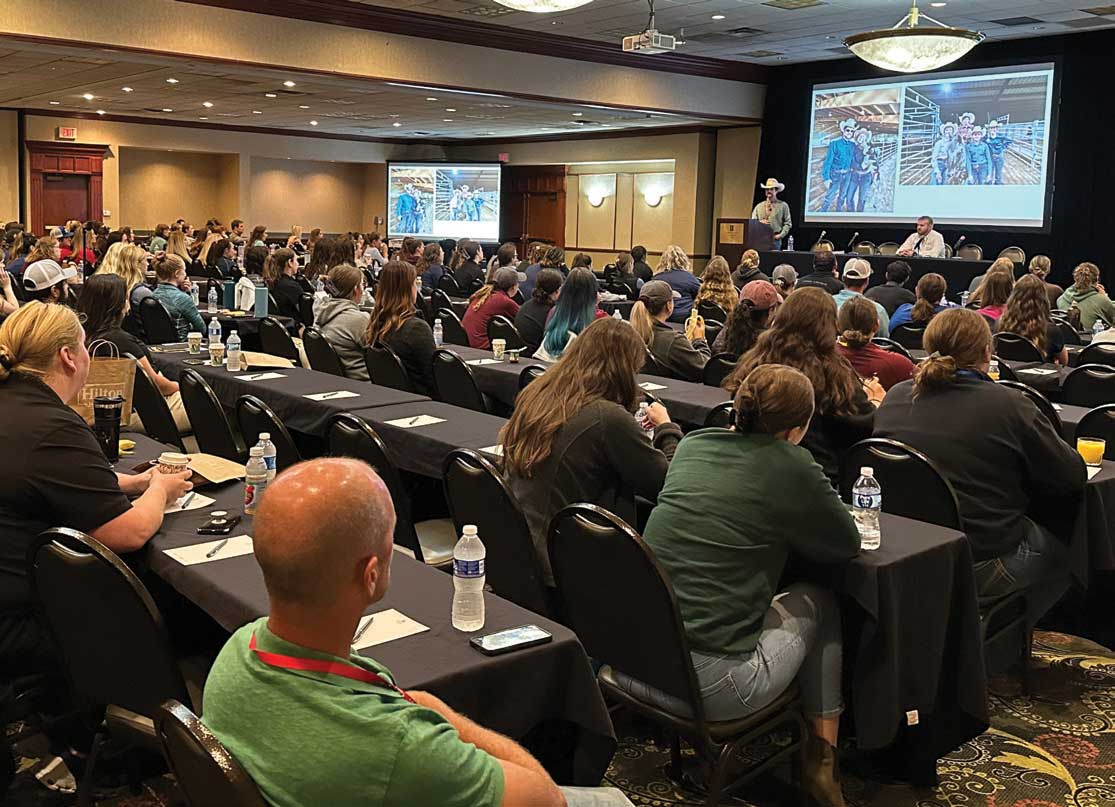
Editors note: This exciting seminar, to encourage careers in equine veterinary, is returning this year from Friday, August 30, 2024 to Sunday, September 01, 2024 in Lexington KY. In addition the seminar will also be presented again in 2025. The success of this program in 2023, as described below, is encouraging as the shortage of equine veterinarians is addressed.
by Rood & Riddle Equine Hospital
Opportunities in Equine Practice Seminar (OEPS), a professional forum created to encourage students to enter equine practice upon graduation, was held this past Labor Day in Lexington, Kentucky. After a ten-year hiatus, the event was reestablished to address the emerging crisis of the diminishing number of graduating veterinary students entering equine practice.
The seminar hosted third-year veterinary students with practitioners from around the country on hand to present their experiences in various disciplines, from general and mixed practice to board specialties, providing an introductory view of all aspects of equine practice, from the large hospital setting to the solo practitioner, at nominal or no expense to the student.
The event is the result of the cooperative efforts of equine practitioners from across North America, with additional financial support from industry sponsors and the American Association of Equine Practitioners (AAEP).
Attendees could engage in interactive discussions with equine practitioners and industry partners, tour equine hospitals, local horse farms, and Keeneland racetrack, as well as participate in hands-on workshops. OEPS 2023 was an unforgettable experience for those attending.
“We are thrilled to have such an amazing outpouring of support since the announcement of the return of OEPS, and due to the support of the equine practices and industry partners that joined us, we were able to sponsor over 260 students to attend from the US, Canadian, and island schools,” said Dr. Craig Lesser, the lead organizer of OEPS. “With dwindling numbers of students pursuing careers in equine practice, we aimed to inspire and equip students with knowledge about the vast opportunities within equine practice that make our careers uniquely gratifying.”
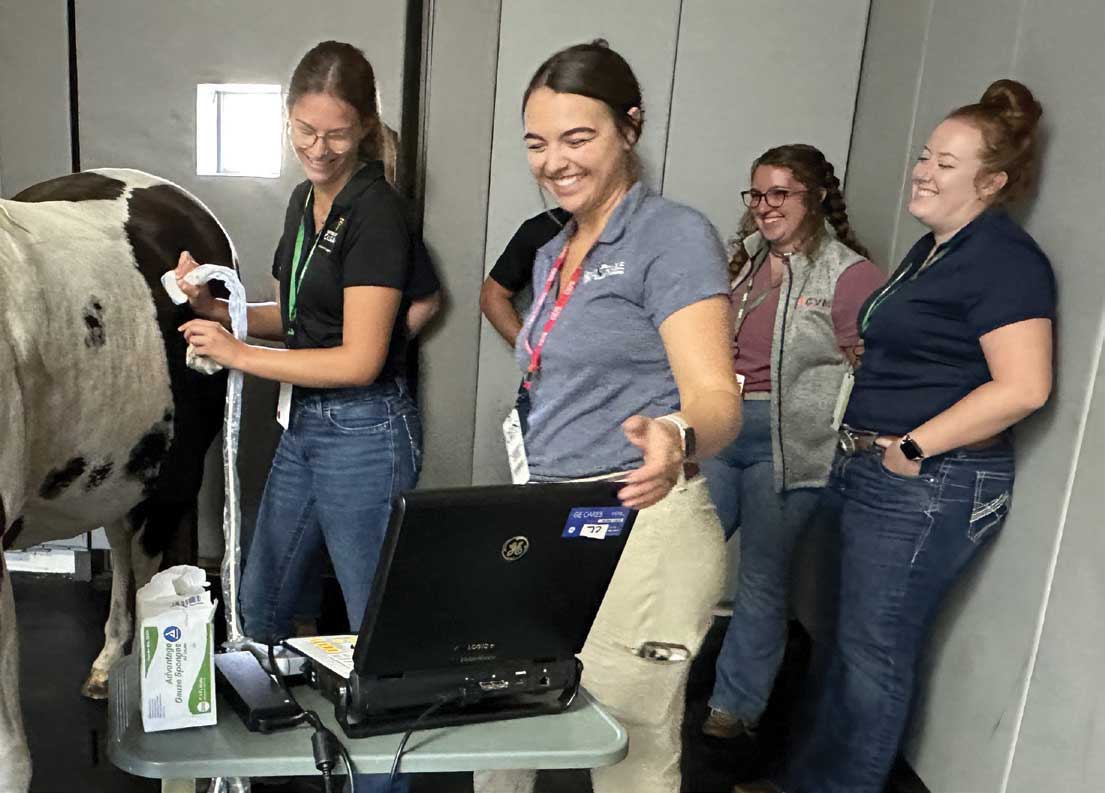
It was a rare opportunity for practices to positively influence hundreds of veterinary students interested in equine practice and cultivate relationships that will lead to future externs, interns, associates, and colleagues. Many attending practices have already pledged support in future years, as they saw how it was nice to see so many students actively interested in equine practice!
The survey of students after the event had some wonderful responses, including one student saying, “I thought it was an awesome weekend, I left feeling motivated for third year and getting closer to being with the equine vets in the field.” And another, “I loved the weekend; I really appreciated the opportunity to network with so many practices and meet other students who were interested in the same thing as me.”
One question asked on the survey was: “Based on your knowledge of equine practice before (then after) attending OEPS, how likely will you choose equine practice as your career?” Before the conference, eighty percent of respondents thought they were 80% confident that they would enter equine practice; however, after OEPS, that number rose to ninety-seven percent.
Looking forward, we plan to once again host OEPS on Labor Day weekend in 2024 for veterinary students entering their third year (2026 graduates). We must continue to encourage gifted students to pursue careers in equine practice and equip them with practical information for launching successful careers.
For more information on OEPS and ways to participate, please visit: oeps.com
This article by Rood & Riddle is published here with permission.
You can find this event and more on the EIE Calendar of Events. There are more informative articles in our section on Health & Education.
- Rood & Riddle Stallside Podcast - Breaking Ground in Laminitis Research with Dr Andrew van Eps (38:13)
- Horse Miscarriages Offer Clues to Causes of Early Human Pregnancy Loss - Cornell Veterinary Medicine
- A 6-Step Guide to Keeping Your Horse Healthy
- Performing Treadmill Endoscopy at Rood & Riddle Equine Hospital (1:59)
- Rood & Riddle Stallside Podcast - Tall Fescue Woes: Insights on Endophyte Ingestion
- Rood & Riddle Stallside - Understanding Equine Biomechanics and Farriery with Dr Jenny Hagen
- Regenerative Medicine Therapies in Horses
- Educational Benefits of Equine-Assisted Learning Programs for Students
- Why is the Mule the Most Important Member of the Horse Family? Cornell Equine Seminar
- Five Tips for Keeping Your Horse Sound - Cornell Vet Equine Seminar Series
- Deworming the horse using a paste syringe with Teresa Kackert
- Stable Vices: Theirs or Ours? Abnormal Behavior in Horses
- FAQ: Lameness and Arthritis in Horses
- How to Safely Pony a Horse with Teresa Kackart (6:55) - Certified Horsemanship Association
- Equine Emergencies 101: What To Do When the Worst Happens from Cornell Equine Seminar
- Pre-purchase Headaches in the Sport Horse
- Sources of Magnesium - Including Whole Foods
- The Grayson-Jockey Club Research Foundation: Improving the Ability to Diagnose Spinal Cord Diseases
- Leadership Isn’t as Simple as it Sounds - an Excerpt from "How Two Minds Meet"
- CBD and other Cannabinoids – How they can benefit you, your horses, and your pets