




Health & Education
We all want the best care possible for our horses. The Heath & Education section covers both Learning Institutions, Organizations as well as many sources for equine assistance including Veterinarians and Farriers.
For those who want a to formally study horses, the Education section includes College Riding, Equine Studies, and Veterinary Schools. Learn about the wide variety of horses in the Horse Breeds section. Supplements and Treatments Therapy are also included in the section.
Everyone can learn from Fine Art and there are some specialty Museums that might surprise you.
Horses as a therapy partner enrich the lives of the disabled. These facilities are listed in our Therapeutic Riding section. To help children and young adults build confidence and grow emotionally, please see the resources available on the Youth Outreach page.
Looking for a place to keep your horse? You can find it in the Horse Boarding section. Traveling? Find a Shipping company or Horse Sitting service if your horse is staying home!
Want to stay up to date with the latest training clinics or professional conferences? Take a look at our Calendar of Events for Health & Education for the dates and locations of upcoming events.
Do we need to add more? Please use the useful feedback link and let us know!
Dr. Eleanor Kellon, Staff Veterinary Specialist for Uckele Health & Nutrition
Everyone looks forward to the warm weather as the ideal time to ride or work their horse. Most understand the dangers of working the horse under conditions of high heat and humidity. However, the horse can be compromised easily under less than sweltering conditions if you do not know how to correctly protect them.
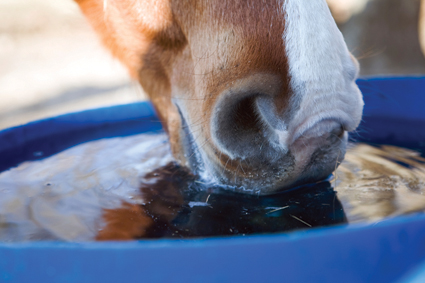
Horses control their body temperature primarily by sweating. In warmer weather, it becomes crucial to support and maintain proper hydration, whether doing endurance training, events, trail rides, or standing in a field in hot weather.
Hydration isn’t just about water intake or loss
Sweating also causes significant losses of salt. Losing both can lead to devastating consequences. Horses can lose water volume up to 4 gallons per hour, and as much as 4 ounces of salt per hour. The Sodium in salt, which is Sodium Chloride, is absolutely essential for the horse's body to retain normal, healthy levels of water. Regardless of how much water the horse drinks, it will not be able to retain a normal amount of water in the body without adequate Sodium, or salt.
The brain reads Sodium levels in the blood to stimulate the horse to drink when it needs hydration. When water levels drop and Sodium concentration rises, the horse is signaled to drink. However, before any changes in water or Sodium levels in the blood can occur, the body will pull what it needs out of the tissues to maintain blood levels. This can, and does, result in inadequate hydration levels at the tissue level before it shows up in the blood.
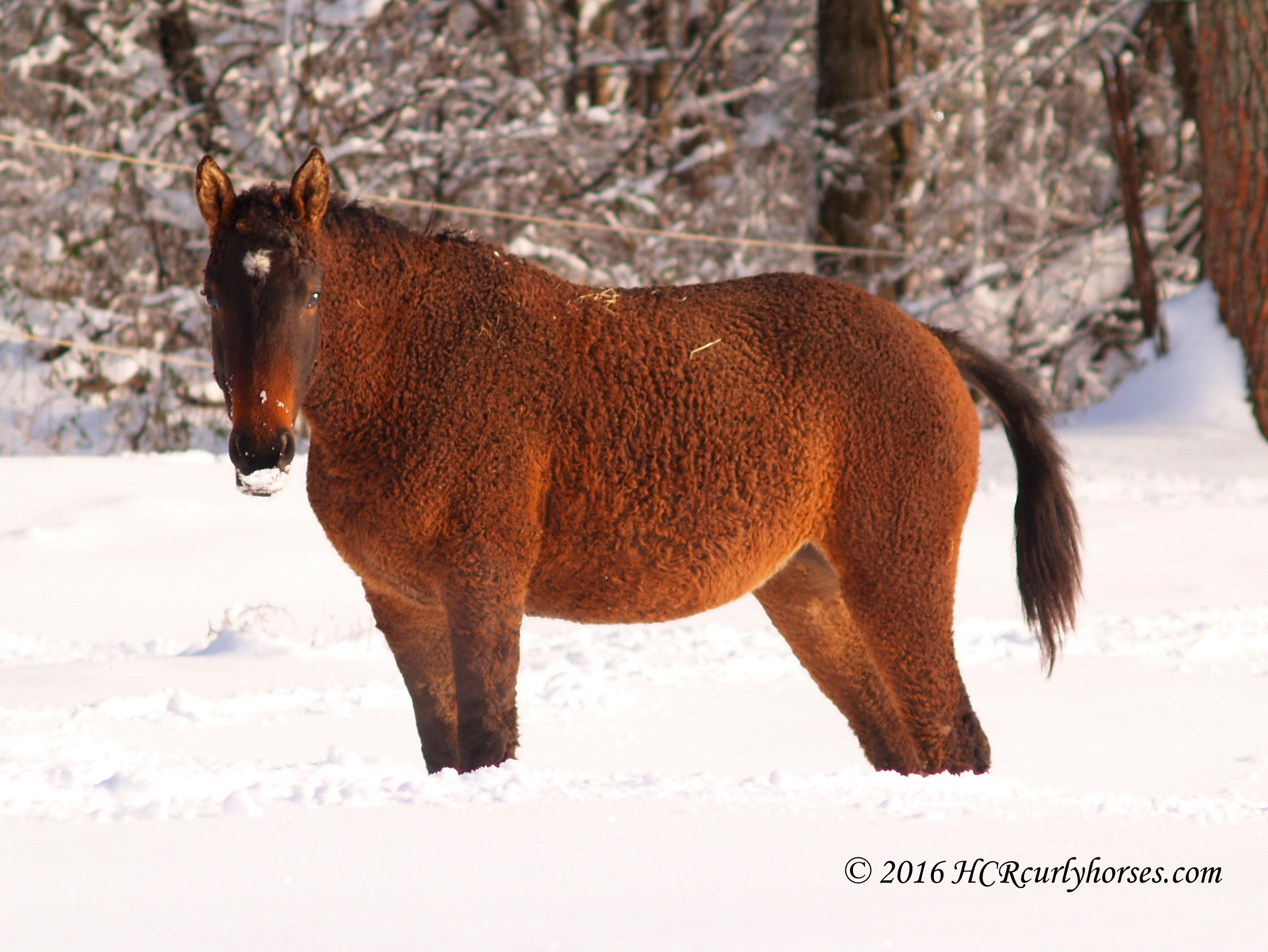
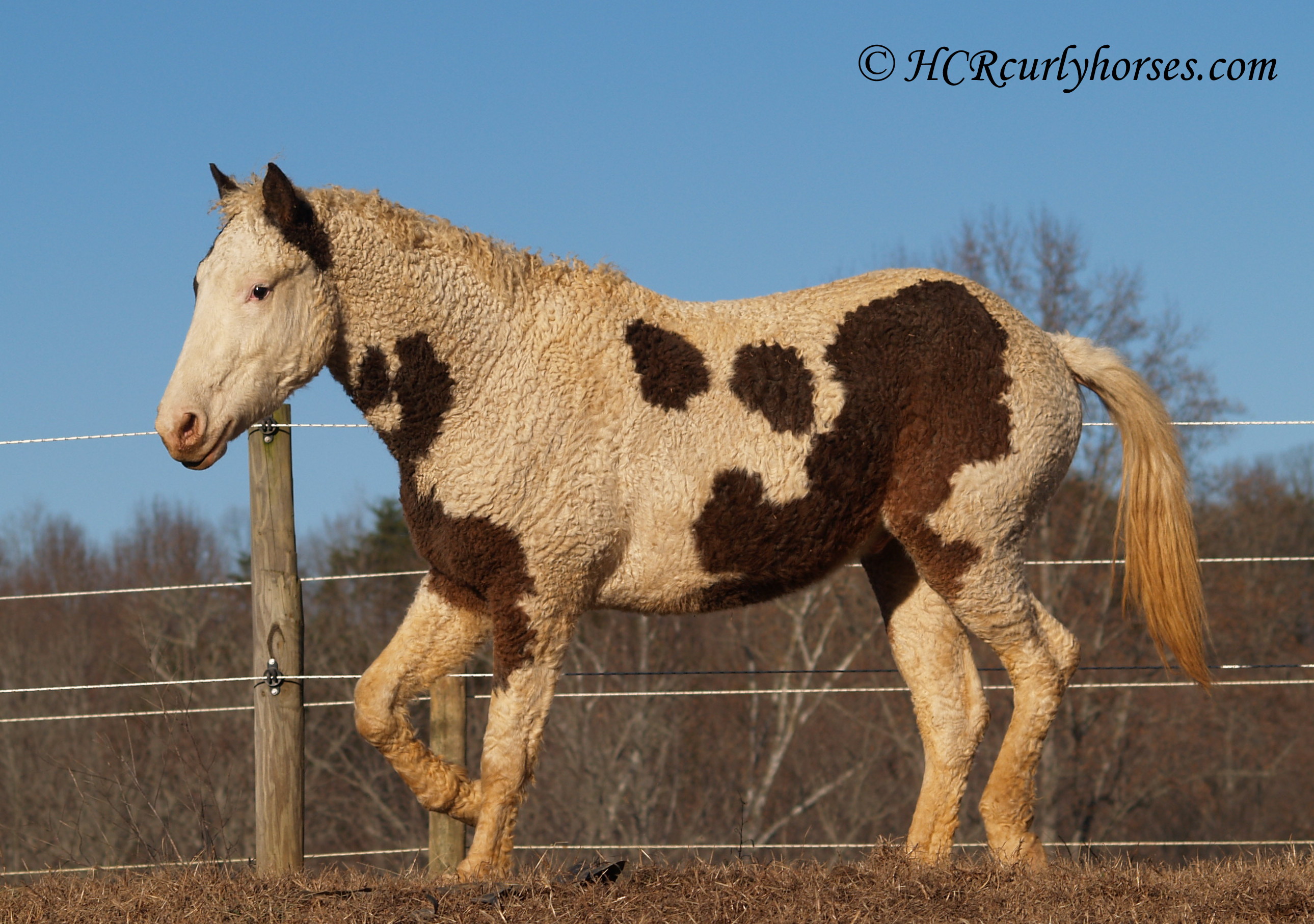
The American Bashkir Curly is one of the most mysterious breeds. It’s the only known hypoallergenic horse. People who are allergic to horses often find that they are not allergic to Curly Horses.
These unique horses with a curly coat are indeed a breed, a very old ancient breed found in art and statuary in early China as far back as 161 AD. There is also historic evidence of their presence in South America and Europe.
How did the Curly horses come to the USA? The answer is still uncertain, but there is proof that the Curlies have been in North America since the early 1800s.
Many Indian pictographs illustrating the "Winter Counts" (number of horses in their herd) have noted that in the winter of 1801-1802 the Sioux had stolen some curly horses from the Crow. This incident placed the tribes at the Standing Rock/Cheyenne River Reservation at the mouth of the Grand River in the Dakotas.
A significant location of the Curlies today has been traced to Indian Reservations in North and South Dakota. Many Curlies then and now have been acquired from the wild horses that roam the open lands of the United States.
- Joint Prep and Conditioning for Show Season
- Why Does My Performance Horse Have a Weak Top Line?
- Bringing Compassion to the Horse Industry
- Horse Tales for the Soul "Never Look a Draft Horse in the Mouth"
- 5 Simple Ways to Increase the Range of Motion in Your Hips
- 7 Equine Emergencies and How to Treat Them
- Equine Therapy 502 (video feature)
- Deworming Medications, Residual Time, and Egg Reappearance
- Accuracy of Testing
- Why should you do Fecal Egg Counts on your Horse?
- Horse Breeds
- Horse Boarding in Alabama
- Horse Boarding in Alaska
- Horse Boarding in Arizona
- Horse Boarding in Arkansas
- Horse Boarding in California
- Horse Boarding in Colorado
- Horse Boarding in Connecticut
- Horse Boarding in Delaware
- Horse Boarding in Florida