



Health & Education
We all want the best care possible for our horses. The Heath & Education section covers both Learning Institutions, Organizations as well as many sources for equine assistance including Veterinarians and Farriers.
For those who want a to formally study horses, the Education section includes College Riding, Equine Studies, and Veterinary Schools. Learn about the wide variety of horses in the Horse Breeds section. Supplements and Treatments Therapy are also included in the section.
Everyone can learn from Fine Art and there are some specialty Museums that might surprise you.
Horses as a therapy partner enrich the lives of the disabled. These facilities are listed in our Therapeutic Riding section. To help children and young adults build confidence and grow emotionally, please see the resources available on the Youth Outreach page.
Looking for a place to keep your horse? You can find it in the Horse Boarding section. Traveling? Find a Shipping company or Horse Sitting service if your horse is staying home!
Want to stay up to date with the latest training clinics or professional conferences? Take a look at our Calendar of Events for Health & Education for the dates and locations of upcoming events.
Do we need to add more? Please use the useful feedback link and let us know!
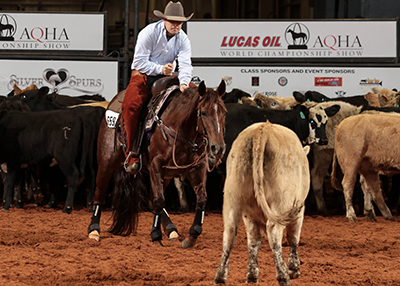
If you have ever seen a horse in one of rodeo’s timed events, enjoyed a leisurely trail ride, watched a Western on the big or small screen or have just seen a group of horses grazing in a pasture, nine times out of 10, you have seen an American Quarter Horse.
These heavily muscled, compact horses were called Celebrated American Quarter Running Horses by English colonists in the 1600s because the horses could run a short distance over a straightaway faster than any other horse. Known for outrunning any horse at the quarter mile, the American Quarter Horse gained popularity. The quarter mile is still the most popular distance for racing American Quarter Horses, and the best blaze the 440 yards in 21 seconds or less.
Whether working cattle on a ranch, taking their owners for a trail ride on a Sunday afternoon or competing in a variety of disciplines, American Quarter Horses are known for their versatility and good temperament. The American Quarter Horse succeeds maneuvers required in reining, working cow horse, barrel racing, cutting, roping and other western events. The American Quarter Horse also excels in English disciplines, including dressage, driving and jumping.
Read more: Profiling the American Quarter Horse, A Very Versatile Breed
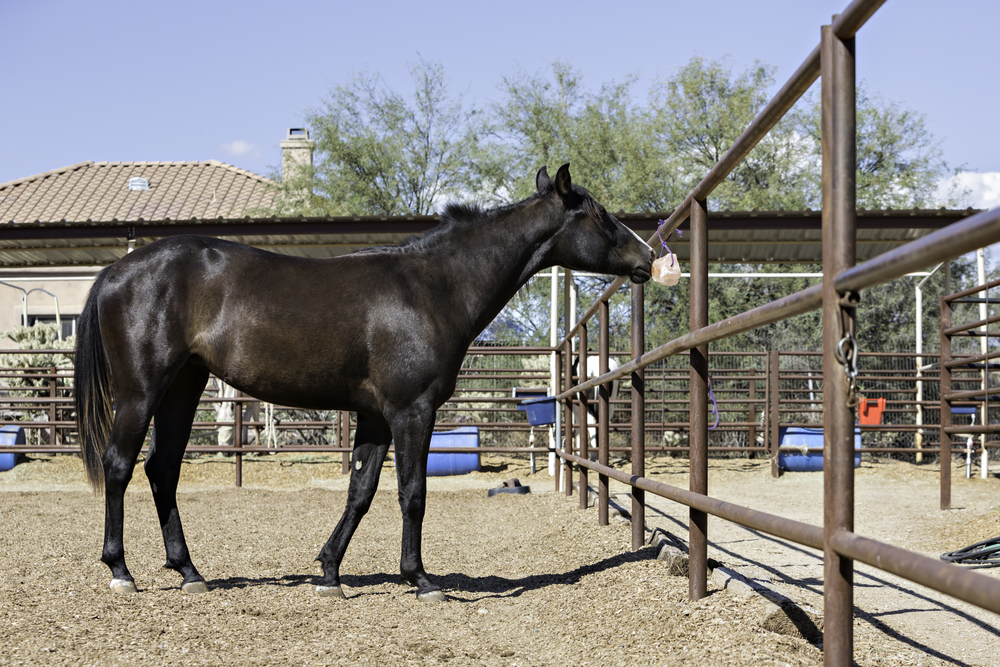
There’s an increasing variety of horse feeds available, but while choice is a good thing, selecting the right feed, or blend of feeds among the options available can be confusing.
This guide looks specifically at balancers to give you an insight into what they are, how to use them and their benefits, so that you can make an informed choice.
What are balancers?
Balancers are small, nutrient dense feeds (often pellets) formulated to provide a concentrated source of vitamins, minerals and quality protein alongside a negligible level of energy (calories). Depending on the horse feed balancer you choose, they may also contain added functional ingredients such as probiotic live yeast or glucosamine.
Read more: Small but Mighty! See the Benefits of Feed Balancers
- Is My Hay Green Enough?
- Britain's Oldest Horse Breed in Battle for Survival
- Moriesians: Friesians and Morgans
- Horsemanship and Behavior
- Akhal-Teke, a Horse Like Shimmering Gold
- Six Ways to Feed Performance Horses for Greater Achievement
- Meeting Increased Summer Hydration Needs
- Meet the American Bashkir Curly Horse Breed
- Joint Prep and Conditioning for Show Season
- Why Does My Performance Horse Have a Weak Top Line?
- Bringing Compassion to the Horse Industry
- Horse Tales for the Soul "Never Look a Draft Horse in the Mouth"
- 5 Simple Ways to Increase the Range of Motion in Your Hips
- 7 Equine Emergencies and How to Treat Them
- Equine Therapy 502 (video feature)
- Deworming Medications, Residual Time, and Egg Reappearance
- Accuracy of Testing
- Why should you do Fecal Egg Counts on your Horse?
- Horse Breeds
- Horse Boarding in Alabama