





Health & Education
We all want the best care possible for our horses. The Heath & Education section covers both Learning Institutions, Organizations as well as many sources for equine assistance including Veterinarians and Farriers.
For those who want a to formally study horses, the Education section includes College Riding, Equine Studies, and Veterinary Schools. Learn about the wide variety of horses in the Horse Breeds section. Supplements and Treatments Therapy are also included in the section.
Everyone can learn from Fine Art and there are some specialty Museums that might surprise you.
Horses as a therapy partner enrich the lives of the disabled. These facilities are listed in our Therapeutic Riding section. To help children and young adults build confidence and grow emotionally, please see the resources available on the Youth Outreach page.
Looking for a place to keep your horse? You can find it in the Horse Boarding section. Traveling? Find a Shipping company or Horse Sitting service if your horse is staying home!
Want to stay up to date with the latest training clinics or professional conferences? Take a look at our Calendar of Events for Health & Education for the dates and locations of upcoming events.
Do we need to add more? Please use the useful feedback link and let us know!
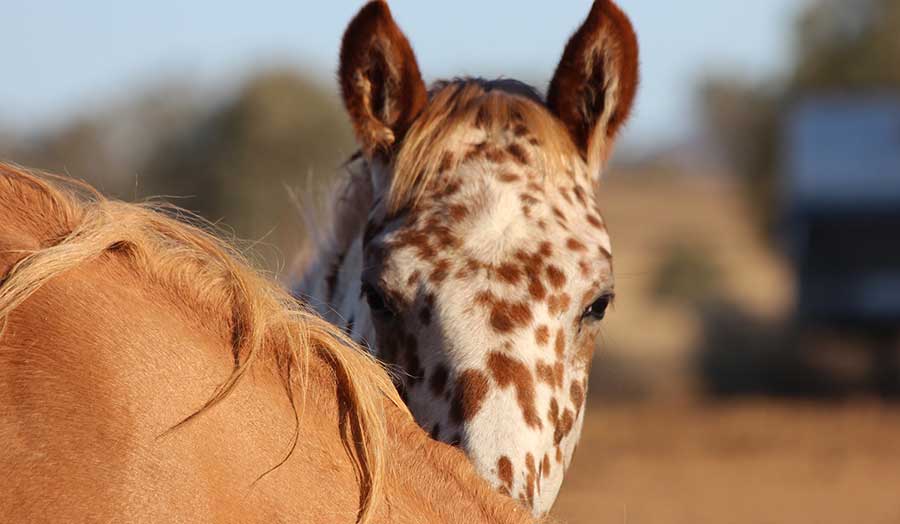
by Mary L. Scott
The breed goes back to the late seventeenth century, to the northwestern corner of North America and specifically to the large area that covered what is now part of the states of Oregon, Washington, Idaho, and Montana.
This was the land inhabited by the Nez Percé American Indians, and it is to their forward-thinking horsemanship and breeding practices that the Appaloosa owes its success.
Though the Nez Percé developed this spotted breed, the history of spotted horses is a long one, with images of spotted horses appearing in prehistoric European cave paintings from around 17,000 B.C.E.
Spotted horses-in particular the Austrian Noriker and the Danish Knabstrup - were extremely popular in Europe and were in great demand from the sixteenth century to perform in the increasingly popular Riding Schools. Many of the hallowed Spanish horses, too, including the revered Andalusian, once exhibited spotted coat colorings.
Read more: Appaloosa - The Most Beautiful Horse Breed in the World
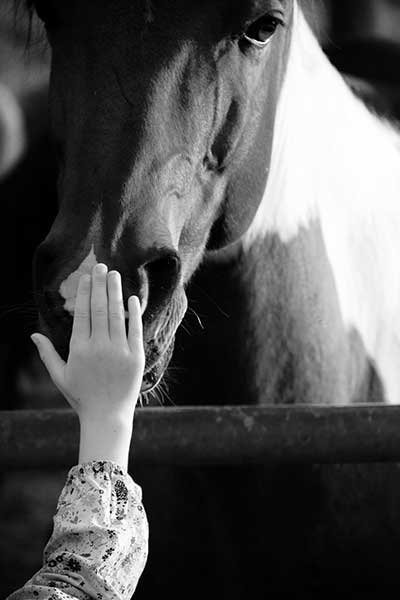
by Bob Burdekin
I would like to explain how we are continually moving forward into the area of working with horses that up to this time, has been completely ignored; and that area is emotional stress management in horses.
But before we can even discuss emotional stress management and how it affects your horse we need to look at how your horse's brain works and compare it to our own.
To start with horses do not think the same way that we do; their brain is structured in a totally different manner, and how your horse uses their brain along with your input becomes the causes of the various levels of stress that your horse may experience.
When we look at and compare the brain of the horse to that of our own, the most important area to consider is the area of the "frontal lobe".
In our brain the frontal lobe is extremely large and well-developed, for this is the part of our brain that allows us to be able to process all of the information that we receive daily and that adds to our personalities, as well as our ability to develop cognitively, or reasoning abilities.
The exact opposite is true for your horse when we compare the same area the frontal lobe of your horse's brain is much more undeveloped and therefore does not give them anything close to the ability to reason through a problem even close to the ability that you or I have.
- Horse Training Power Tip: Loading Difficult Horses Into Trailers
- Electrolyte Problems in Endurance Horses
- U.S. Rep. Steve Cohen Ushers Horse Transportation Safety Act to Passage
- A Vet’s Guidance for Saving Horses in Need, Plus Training Your Eye to Nail the Distance
- Grazing the Metabolic Horse
- Disaster Preparedness
- Need Help Reopening Your Equine Business Amidst Covid-19? Barton Rodgers TempDefend™ Sensor Solution is Your Answer!
- Why I Did the Mustang Makeover—and Why I’d Do It Again
- Improve the Horse’s Balance, Movement, and Self-Carriage with These Easy Tail Exercises
- Q&A: Managing Arthritis in Horses
- The Benefits of Riding to Music
- How to Feed a Severely Neglected Rescue Horse
- Josh Lyons with Lyons Legacy Partner With Horses in Need
- Equine Disaster Preparation and Response
- Colostrum -- An Exceptional Superfood!
- What the Heck is PEMF Anyway?
- Deworming Your Horse? Reference this Comprehensive Q&A
- Equine Enteric Coronavirus
- Is Your Horse Protected Against These Disease Risks?
- Equine-Facilitated Psychotherapy: Facing Trauma With a Horse by Their Sides