



Health & Education
We all want the best care possible for our horses. The Heath & Education section covers both Learning Institutions, Organizations as well as many sources for equine assistance including Veterinarians and Farriers.
For those who want a to formally study horses, the Education section includes College Riding, Equine Studies, and Veterinary Schools. Learn about the wide variety of horses in the Horse Breeds section. Supplements and Treatments Therapy are also included in the section.
Everyone can learn from Fine Art and there are some specialty Museums that might surprise you.
Horses as a therapy partner enrich the lives of the disabled. These facilities are listed in our Therapeutic Riding section. To help children and young adults build confidence and grow emotionally, please see the resources available on the Youth Outreach page.
Looking for a place to keep your horse? You can find it in the Horse Boarding section. Traveling? Find a Shipping company or Horse Sitting service if your horse is staying home!
Want to stay up to date with the latest training clinics or professional conferences? Take a look at our Calendar of Events for Health & Education for the dates and locations of upcoming events.
Do we need to add more? Please use the useful feedback link and let us know!
by Kentucky Equine Research Staff
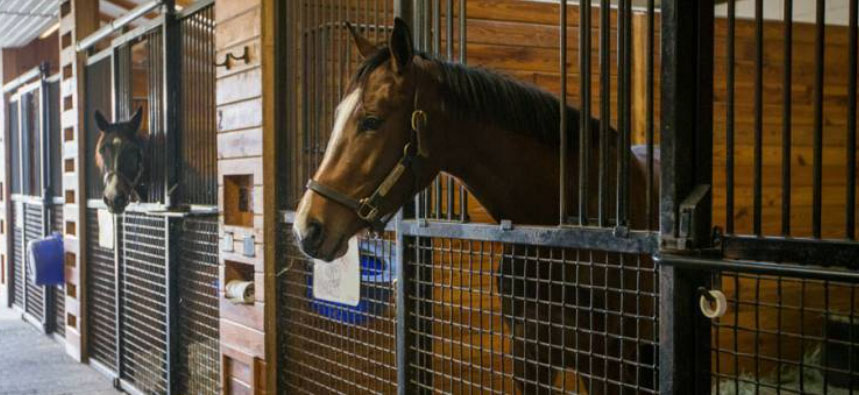
The type of bedding you provide affects your horse’s health and comfort, as well as your bottom line. From straw and pine shavings to paper and peat moss, the perfect bedding has yet to be discovered. One of the most recent options available is hemp hurd, a byproduct of hemp fiber production.
Two studies presented at the 2025 Equine Science Symposium examined the physical characteristics of hemp hurd and its potential as a horse bedding material.*,**
A research group from the University of Kentucky investigated the water-holding capacity, bulk density, and ammonia-binding capacity of several fiber-type hemp hurd varieties. The study found differences in physical characteristics based on variety and particle size (large vs. small), suggesting that some types of hemp hurd may be better suited for bedding than others.
The second study compared the water absorbency and fecal coliform (Escherichia coli) counts of hemp hurd bedding with two commonly used alternatives: pine shavings and cut straw.
To measure fecal coliform levels, each bedding type was mixed with manure and dissolved urea (simulating urine), then composted for one week. The compost mixtures were submerged in water to create a “compost tea,” which was tested for E. coli using colony-forming units (CFU) as the measurement. Cut straw produced the highest CFU counts (i.e., more E. coli), while hemp hurd resulted in the lowest.
To evaluate absorbency, all three beddings were soaked in water, drained, and weighed. Hemp hurd was twice as absorbent as pine shavings and only slightly less absorbent than cut straw.
“These studies highlight the positive attributes of hemp hurd as a bedding for horses. Further research on the use of hemp hurd bedding in practical and commercial settings is warranted,” said Catherine Whitehouse, M.S., a nutrition advisor for Kentucky Equine Research.
“Don’t ignore the importance of bedding selection to optimize horse comfort and health, waste disposal and management, as well as barn hygiene. Appropriate bedding selection is particularly important for horses with equine asthma,” said Whitehouse.
Do you have questions about the best management and nutritional strategies for horses with equine asthma? Contact a Kentucky Equine Research nutrition advisor to learn more.
*Lee, A., A. Endfinger, R.C. Pearce, and L.M. Lawrence. 2025. Physical characterization of hemp hurd varieties to assess suitability as bedding. Journal of Equine Veterinary Science 148:105553
**Williamson, K., A. Jaqueth, K. Ely, G. McGlinch, and S. Jacquemin. 2025. Potential of hemp hurd bedding for use in equine operations. Journal of Equine Veterinary Science 148:105436.
Reprinted courtesy of Kentucky Equine Research. Kentucky Equine Research is an international equine nutrition, research, and consultation company serving horse owners and the feed industry. Our goals are to advance the industry's knowledge of equine nutrition and exercise physiology, apply that knowledge to produce healthier, more athletic horses, and support the nutritional care of all horses throughout their lives. Learn more at Kentucky Equine Research.
There a more informative articles in our section on Health & Education. While you're here be sure to visit our Curated Amazon Store.
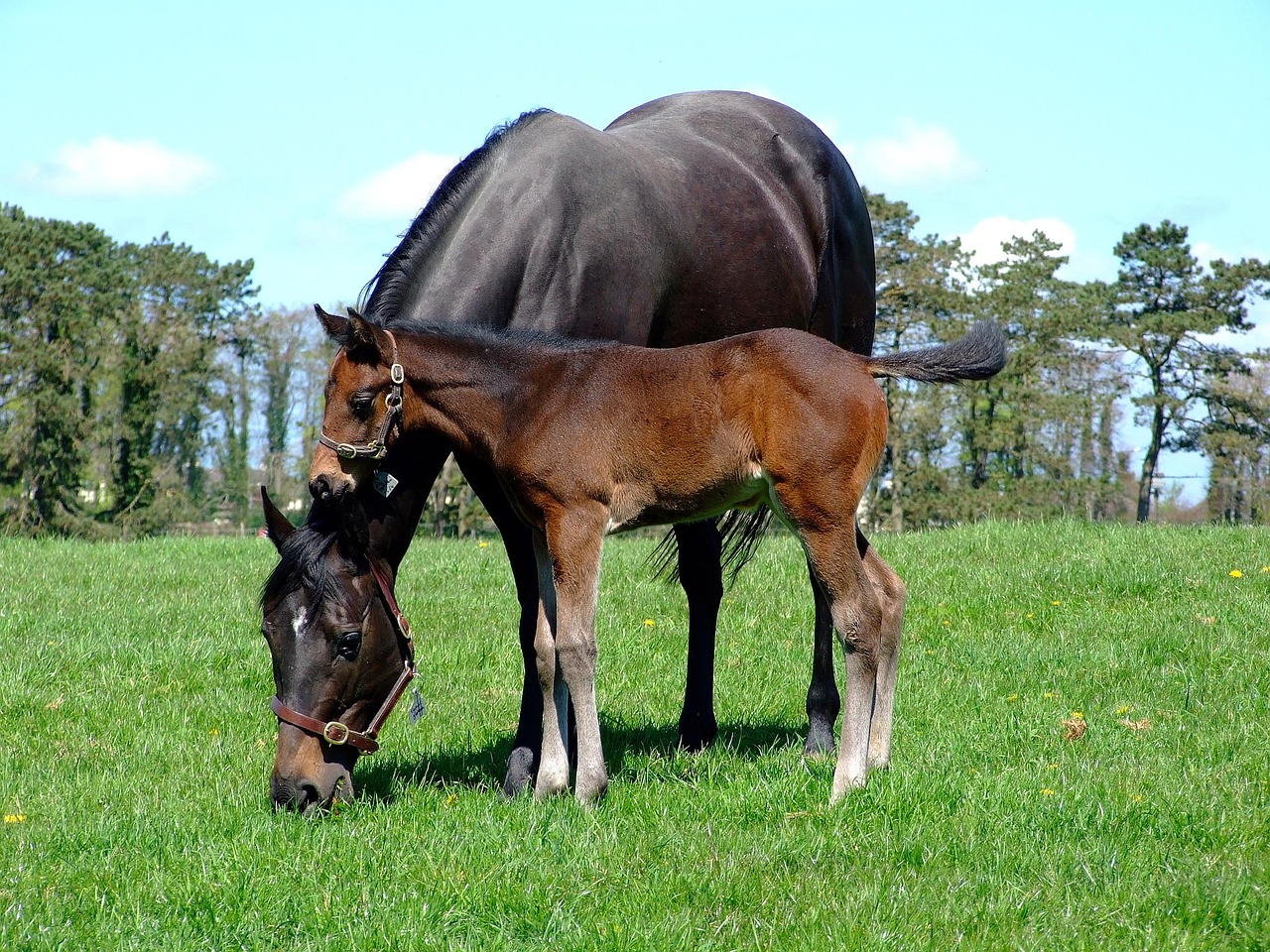
Horses don’t just munch on grass and call it a day.
They’ll wander a bit first, sniffle stuff around, nibble a little, and sometimes latch onto the same little patch like it’s the most delicious thing they’ve ever tasted. One horse might be really into clover, the other will hunt down every last dandelion – some horses even like mint or wild herbs. A pasture is to a horse what a buffet is to you.
But, as tasty as some buffets can be, they aren’t exactly healthy. Well, some are. But not all of them. This has much to do with the fact that some snacks are full of ‘the good stuff’, while some are just packed with nasties.
So this article is for you, the owner, so that you can see (and pay close attention) to the difference between which food is safe, and which isn’t.
Nutritional Impact of Common Pasture Snacks
As humans, horses are picky eaters. They won’t just eat any old grass that’s in front of them. Sure, they will if they HAVE TO. But only so in order to survive. You can be sure they won’t be happy about it. Not one bit.
In order to create healthy (and tasty) snacks, you need to put in the ‘good stuff’ into them (e.g., clover, dandelions, plantains, chamomile, mint, etc.).
This variety is very good for horses because it keeps their digestive system active the way nature intended. If the snack is tasty and healthy, then the horse is happy. This means less stress.
As far as nutritional values, these types of natural snacks are different from carrots, apples, and packaged treats you might usually give them. Pasture snacks have subtle amounts of vitamins and minerals, but because they graze, horses get them in steady amounts.
Hand-fed treats, on the other hand, are sweeter, and they’re given in bursts. Both are good and both deserve to have their place, but their roles aren’t the same.
This is why you’ll see a lot of horse owners browsing horse stalls for sale online to look and ask for features that make feeding routines easier to manage (e.g., safe hay racks, well-placed feed doors, etc.).
Safe Pasture Snacks vs. Risky Ones
Not every plant on the pasture is safe for your horse, so let’s see what’s okay, what’s risky, and what to be especially careful with.
Safe Snacks
There’s a good number of plants horses can safely eat while they’re grazing. Clover is one of the most common ones, and it’s very beneficial because it’s full of protein, which supports muscles and overall condition. Dandelions are another excellent choice, although many people see them as nothing more than weeds.
They’re packed with vitamins A and C, as well as minerals like calcium and potassium (great for bones and healthy teeth). Horses find them delicious, and they’re surprisingly healthy.
Wild herbs like plantain and chamomile have small digestive or even calming benefits. Mint is another herb that’s pretty popular with horses, but it’s not a big source of nutrition. Still, it’s safe and refreshing.
Risky Snacks
Even safe snacks can become risky if they’re eaten in excess, so make sure your horse always snacks in moderation.
Clover – safe in moderate amounts – is dangerous if a horse eats too much. It can cause slobbers, which is a condition caused by a fungus that (sometimes) grows on clover.
Lush spring grass is risky from the start because it contains a lot of sugar, which can trigger laminitis in sensitive horses.
Buttercups are another risk, although a lot of horses avoid them because they’re bitter. They’re actually mildly toxic if they’re eaten fresh, and they can irritate the digestive system.
Acorns are a seasonal risk in areas with oak trees. Some horses ignore them, but others will eat enough of them and cause serious poisoning. Horses are naturally curious, but this curiosity sometimes endangers their health.
Plants You Need to Be Careful with
Weeds and wild plants should never be a part of a horse’s diet.
Ragwort, horsetail, bracken fern, and yew are examples of toxic plants. Horses usually avoid them if they have plenty of good forage to eat, but if grazing is limited, they might start nibbling on something toxic simply because they’re bored.
Hunger, of course, would be the other reason.
Even small amounts of these plants can cause serious and long-term damage, so make sure to walk past pastures regularly and remove anything that might be dangerous.
Conclusion
Horses don’t care about nutrition labels and feed charts. As picky as they are, they would sometimes wander into a junk food aisle (if you’d let them) and make themselves sick. Think of them like big children. Would you leave it up to them to pick what they want?
Sure, in nature, they’d have no trouble eating what nature has intended them to eat. But here, in civilization, they’re constantly surrounded by a lot of different options – some of which aren’t that great for them, with some even being outright dangerous.
Remember that it’s up to you to prevent this, and every acorn they eat IS ON YOU. Every digestive problem a wild plant causes is also on you.
Do you research and inspect the pastures regularly to keep your horse(s) safe and happy.
There are more interesting articles in our section on Health & Education.
- How would you help a rider who struggles with combinations?
- Descending Gymnastics: Why Ending Smaller Can Be Smarter
- Horse Management Survey Results: A Nutritionist’s Perspective
- Six Key Questions About Platelet-Rich Plasma for Horses
- Potomac Horse Fever
- Drinking Behavior of Horses: Six Facts About Water Intake
- Protein and Muscle Recovery for Performance Horses - an excerpt from Helping All Horses Live Healthier Lives
- Evaluating Horses for Back Pain
- Is Pasture Grazing Safe This Summer for Your Insulin-Resistant Horse
- Chewing Halters: A New Tool to Track Ingestive Behavior and Optimize Welfare
- Barn Construction: 7 Principles to Reduce Fire Risk
- Top 3 Causes of Barn Fires
- Rope Halter Safety and Adjustment with Julie Goodnight
- Crafting Diets for Easy and Hard Keeper Horses - an excerpt from Helping All Horses Live Healthier Lives
- How Horse Show Culture Has Changed (and why it’s worth preserving)
- Listening Beyond Words: The Wisdom of Horses
- More than ‘Four on the Floor’ with Equine Guelph Horse Trailer Safety Course
- Skin Problems in Horses: Culicoides Hypersensitivity
- Osteoarthritis Pain in Horses Controlled by CBD and Related Products
- Review of Roaring & Possible New Surgical Procedure