




Health & Education
We all want the best care possible for our horses. The Heath & Education section covers both Learning Institutions, Organizations as well as many sources for equine assistance including Veterinarians and Farriers.
For those who want a to formally study horses, the Education section includes College Riding, Equine Studies, and Veterinary Schools. Learn about the wide variety of horses in the Horse Breeds section. Supplements and Treatments Therapy are also included in the section.
Everyone can learn from Fine Art and there are some specialty Museums that might surprise you.
Horses as a therapy partner enrich the lives of the disabled. These facilities are listed in our Therapeutic Riding section. To help children and young adults build confidence and grow emotionally, please see the resources available on the Youth Outreach page.
Looking for a place to keep your horse? You can find it in the Horse Boarding section. Traveling? Find a Shipping company or Horse Sitting service if your horse is staying home!
Want to stay up to date with the latest training clinics or professional conferences? Take a look at our Calendar of Events for Health & Education for the dates and locations of upcoming events.
Do we need to add more? Please use the useful feedback link and let us know!
by Kentucky Equine Research Staff
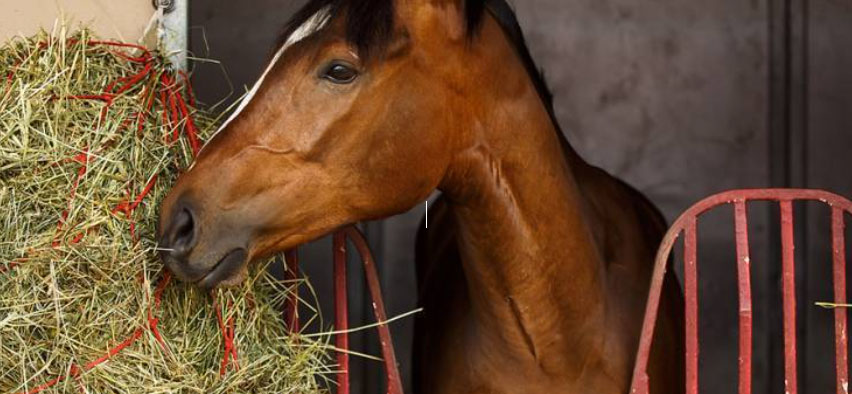
Many performance horses are exercised at sun-up or earlier. Think about racehorses in training or show horses schooling before early-morning classes. The horses are pulled from their stalls, groomed, and tacked up; trainers and riders discuss the training plan for this daybreak bout of exercise. But does the groom, rider, or trainer think about the horse’s gastric well-being at that time? Maybe, maybe not.
When horses are exercised on an empty stomach, gastric acid splashes onto the squamous, or upper, portion of the stomach. Repeated exposure of gastric acid to this sensitive tissue can increase the risk of gastric ulcers. Prolonging hay consumption into the early morning hours can help protect performance horses from these ulcers. But when do horses eat during the night? Do they consume more hay before or after midnight?
To better understand nighttime feeding patterns, scientists at Kentucky Equine Research recorded horse behavior using two technologies: chewing halters and overhead cameras. They presented hay in various ways (one hay net or two and hay nets in different positions) to determine whether these configurations affected intake behavior.
The researchers outfitted six horses with chewing halters from 7:00 p.m. to 7:00 a.m. and fed them hay equal to about 1.26% of their body weight while stalled. In the first phase of the study, they placed hay in either one hay net or split the hay between two hay nets, positioning the top of each net parallel to the horses’ withers. In the second phase, they tested two positions of hay nets. One treatment included a hay net at withers height, and the second treatment involved a hay net placed much lower, nearly at ground level.
The chewing halters allowed the team to measure how long the horses spent chewing throughout the night, while the overhead cameras revealed when the hay nets became empty.
“Offering hay in different configurations—one net or two, hay net hung high or low—did not affect time spent eating overnight when a limited amount of hay was offered, as it was in this study,” said Ashley Fowler, Ph.D., director of research at Kentucky Equine Research. Most horses steadily consumed their allotted amount of hay until it was gone, with few horses taking significant breaks from eating.
In this study, the researchers stalled the horses to allow easy camera monitoring. Horses in other living situations may benefit from multiple feeding stations. According to Fowler, “We did not observe any advantage to hanging two hay nets instead of one in this study. In larger enclosures, such as dry lots, using multiple hay nets may encourage horses to walk between foraging locations. Horses that need to lose weight may benefit from increased movement.” Even more movement can be encouraged by placing water sources far from forage stations.
Fowler and her colleagues at Kentucky Equine Research are fine-tuning a follow-up study that will allow free-choice access to hay. “If horses are given free access to hay, we believe they will take more breaks during the night to rest, and there may be short bouts of eating rather than one long eating period, as seen in this study,” she said.
Reprinted courtesy of Kentucky Equine Research. Kentucky Equine Research is an international equine nutrition, research, and consultation company serving horse owners and the feed industry. Our goals are to advance the industry's knowledge of equine nutrition and exercise physiology, apply that knowledge to produce healthier, more athletic horses, and support the nutritional care of all horses throughout their lives. Learn more at Kentucky Equine Research.
There a more informative articles in our section on Health & Education. While you're here be sure to visit our Curated Amazon Store.
by Kristin Pitzer
Western performance horse riders generally enjoy showing off what their horses can do by traveling to events and competing against others that love their sport. At bigger shows, this often means that people and horses from all around the country must come together under one roof, sharing cross ties, wash racks, tie rings, etc. When your horse is around other horses, though, it is possible for it to be exposed to diseases that it wouldn’t have picked up in its home environment.
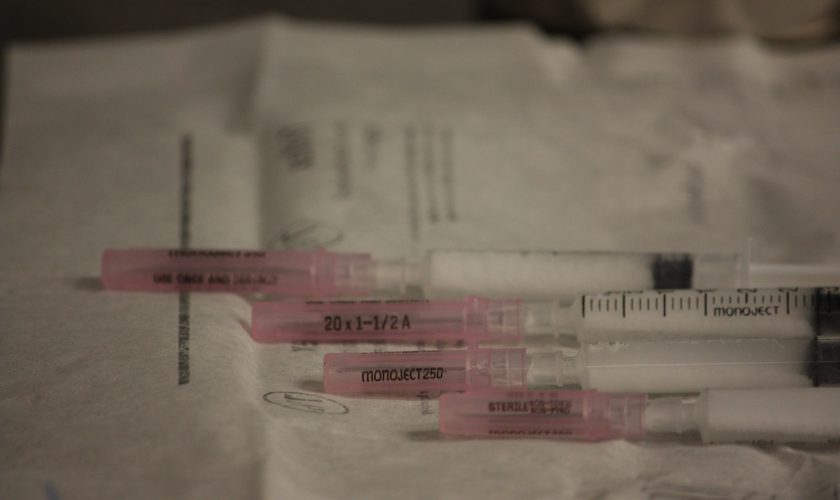
This is where equine vaccines come in. Vaccines help prepare the immune system to respond quickly when a horse is exposed to an infectious agent. While they don’t guarantee complete prevention, vaccines can lessen symptoms and help keep from spreading highly contagious diseases.
Quarter Horse News asked Geneve Dundas, DVM, who owns Dundas Veterinary Services PLLC in Fort Worth, Texas, for recommendations on vaccinating horses, especially when preparing to haul to an event.
Vaccinate All Horses With Core Vaccines
According to American Association of Equine Practitioners (AAEP) guidelines, all horses should be immunized with four core vaccines each year: tetanus, West Nile Virus and Eastern and Western Equine Encephalomyelitis (EEE and WEE). Rabies is also considered a core vaccine in some parts of the country, depending on county regulations and rules.
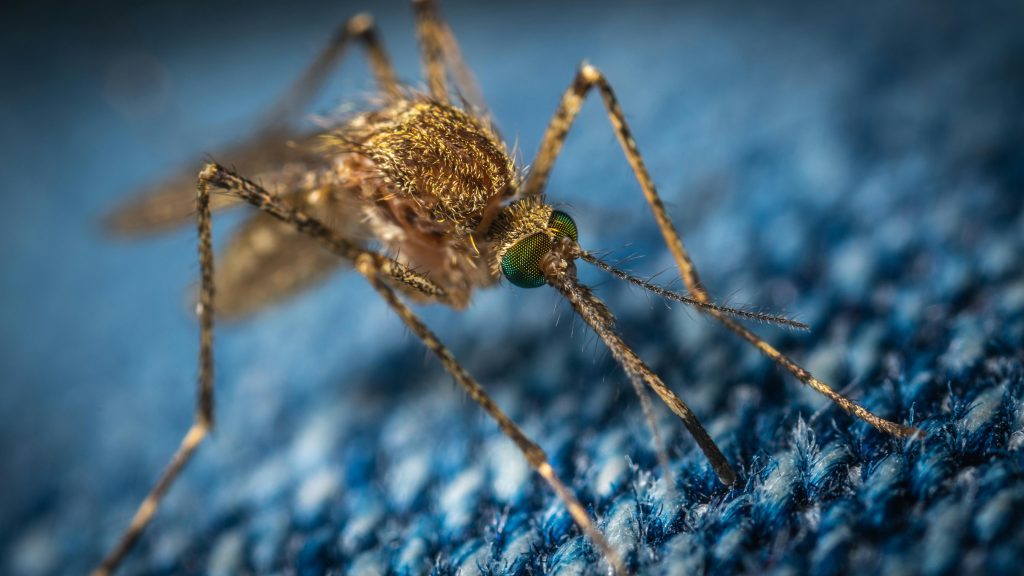
Vaccinating horses against these diseases is important because your horse can become infected even if it never leaves its home property. WEE and EEE are primarily contracted through mosquitoes and ticks; rabies exposure occurs through the bite of an infected animal; tetanus is present in feces and abundant in the soil; and West Nile Virus is transmitted by mosquitoes from birds to horses. All four diseases are deadly, and vaccines are instrumental in preventing infection.
“These vaccines are necessary to aid these animals’ immune systems in fighting and modulating the severity of these diseases,” Dundas said. “Tetanus has an 80% mortality rate, EEE and WEE encephalitis are very devastating if not fatal, and rabies is fatal and communicable to humans. Some can recover from West Nile but often are no longer rideable, and severe cases result in patients that are a danger to themselves or others due to neurological symptoms.”
Take Extra Care With Show Horses
Even if your horse is vaccinated annually with the core vaccinations, you should ask your veterinarian about additional prevention if you’re planning to haul to shows. There are other highly-communicable diseases that can spread via horse-to-horse contact, and due to the layouts of stalls at showgrounds, many horses often share the same space. Hauling your horse can also stress its immune system, making it more susceptible to illness.
“Show horses travel a great deal and are exposed to many other horses, animals and environments,” Dundas said. “The stress of trailering, being stalled and showing means their immune systems are often fighting off a great deal of organisms, and stress can suppress the immune system. Vaccines aid them in staying healthy.”
One additional vaccine that is often mandatory for show horses is the flu/rhino vaccine, which protects against equine influenza and equine herpesvirus.
EHV Is Highly Contagious
Equine herpesvirus, or EHV, is a DNA virus found in most horses. This family of viruses is named by numbers, and EHV-1, -3 and -4 pose the most health risks for domestic horses, according to the AAEP. Usually, infected horses see no serious side effects, but sometimes, for reasons unknown, one might develop a fatal neurological form called equine herpesvirus myeloencephalopathy.
EHV-1 and EHV-4 in particular are the most common species of EHV. EHV-1 can cause abortion, respiratory disease and neurologic disease, and EHV-4 can cause a nonfatal upper respiratory tract disease in foals. The viruses are spread by direct horse-to-horse contact via nasal secretions or through contact with physical objects that are contaminated.
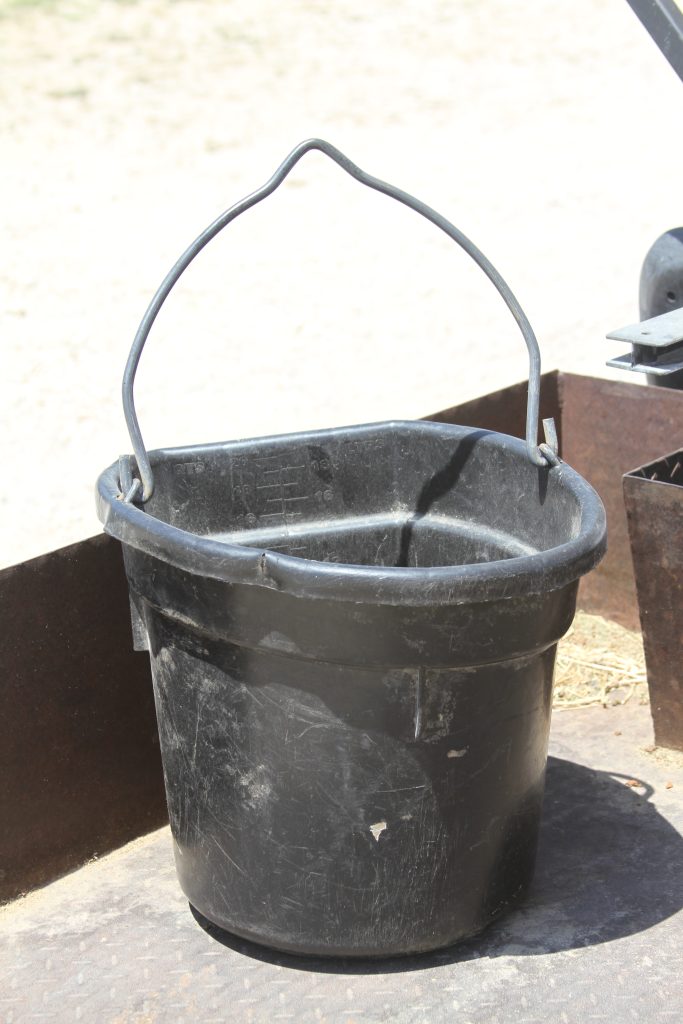
Showgrounds can be a hotbed for EHV contagion: feed buckets, water buckets, grooming equipment, tack, trailers, and even your hands and clothing could all be contaminated if touched by a horse that is infected. The AAEP recommends that performance horses be vaccinated for EHV every six months, as vaccinated horses are more likely to produce a strong immune response without having clinical signs of the disease.
Flu Vaccines Should Also Be Given Every Six Months
Equine influenza is also highly contagious and spreads via aerosolized droplets when an infected horse coughs. It can also survive on objects in the environment, much like EHV.
Equine influenza can cause respiratory disease, including fever, edema, enlarged lymph nodes and nasal discharge. Horses that are immunosuppressed, such as those that are on the road often hauling for World titles, can have an increased risk for infection and developing more severe symptoms.
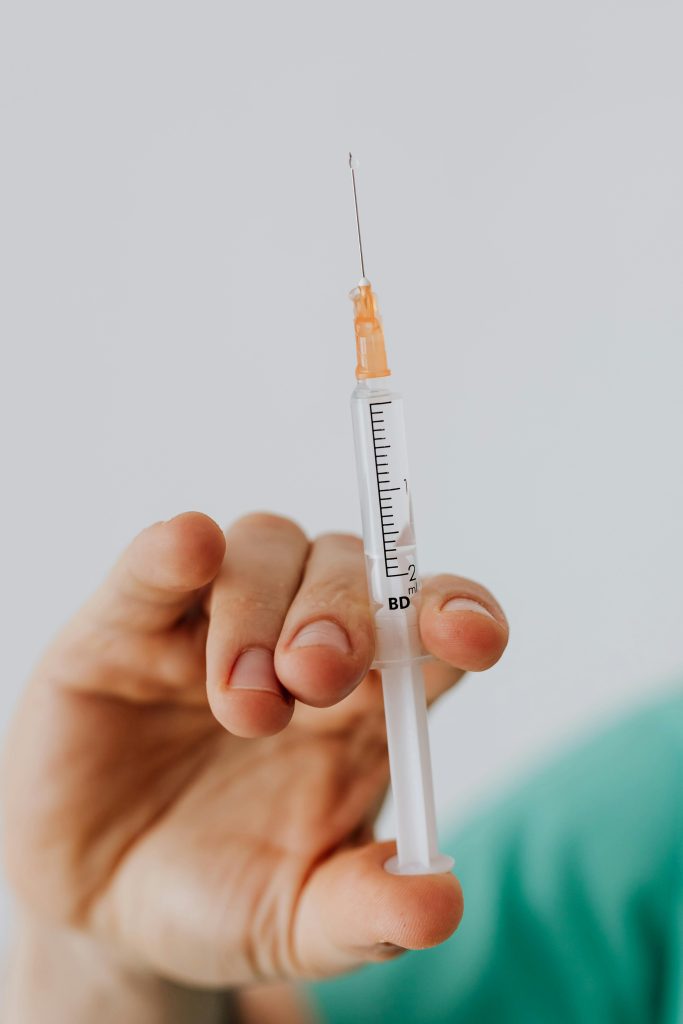
Flu vaccines can offer protection against certain strains of equine influenza, but because the duration of that protection is limited, boosters should be given every six months. While some vaccines are given intramuscularly, there is also an intranasal vaccine that can achieve more rapid protection, which can be particularly useful in an equine influenza outbreak.
Take Additional Measures
Vaccinations are a good place to start your defense against communicable equine diseases, but there are other practices you should follow to keep your horse as safe and healthy as possible when on the road, Dundas said. For one, let your horse have as little contact with other horses as possible, especially when using communal facilities and equipment.
“Isolate as best as you can from other horses not from your barn — no touching noses, no sharing water troughs or buckets. Bring your own clean ones,” Dundas said. “When you fill buckets, don’t put the hose in the bucket. Instead, hold it over so the hose doesn’t get submerged.” Dundas also suggested stalling your horses near barn doors for better airflow and cleaning stalls two or more times per day to keep ammonia from building up, which will protect your horse’s lungs. Low-dust shavings, steamed hay and immune-boosting supplements can also be good ways to protect your horse’s immune system, provided those option work with your horse’s diet.
- Five Things About Performance Horse Gut Health
- Using Ultrasound to Diagnose SI Joint Disease in Horses
- Hemp Hurd Bedding for Horses
- What Pasture Snacks Mean for Horse Health
- How would you help a rider who struggles with combinations?
- Descending Gymnastics: Why Ending Smaller Can Be Smarter
- Horse Management Survey Results: A Nutritionist’s Perspective
- Six Key Questions About Platelet-Rich Plasma for Horses
- Potomac Horse Fever
- Drinking Behavior of Horses: Six Facts About Water Intake
- Protein and Muscle Recovery for Performance Horses - an excerpt from Helping All Horses Live Healthier Lives
- Evaluating Horses for Back Pain
- Is Pasture Grazing Safe This Summer for Your Insulin-Resistant Horse
- Chewing Halters: A New Tool to Track Ingestive Behavior and Optimize Welfare
- Barn Construction: 7 Principles to Reduce Fire Risk
- Top 3 Causes of Barn Fires
- Rope Halter Safety and Adjustment with Julie Goodnight
- Crafting Diets for Easy and Hard Keeper Horses - an excerpt from Helping All Horses Live Healthier Lives
- How Horse Show Culture Has Changed (and why it’s worth preserving)
- Listening Beyond Words: The Wisdom of Horses





















Our Mission — Serving the professional horse person, amateur owners, occasional enthusiasts and sporting interests alike, the goal is to serve all disciplines – which often act independently yet have common needs and values.
Equine Info Exchange is totally comprehensive, supplying visitors with a world wide view and repository of information for every aspect related to horses. EIE provides the ability to search breeds, riding disciplines, horse sports, health, vacations, art, lifestyles…and so much more.
EIE strives to achieve as a source for content and education, as well as a transparent venue to share thoughts, ideas, and solutions. This responsibility also includes horse welfare, rescue and retirement, addressing the needs and concerns of all horse lovers around the world. We are proud to be a woman-owned business.